
Caffeine Calculator
غيّر عاداتك مع Nutrify
حلك الشامل بالذكاء الاصطناعي لتتبع السعرات والوجبات والوصفات. نحو حياة أكثر صحة وسعادة.
- •تتبع السعرات بسهولة مع التعرف على الطعام بالذكاء الاصطناعي
- •خطط وجبات ووصفات مخصصة
- •تتبع التقدم والرؤى التحليلية


More than a calorie counter
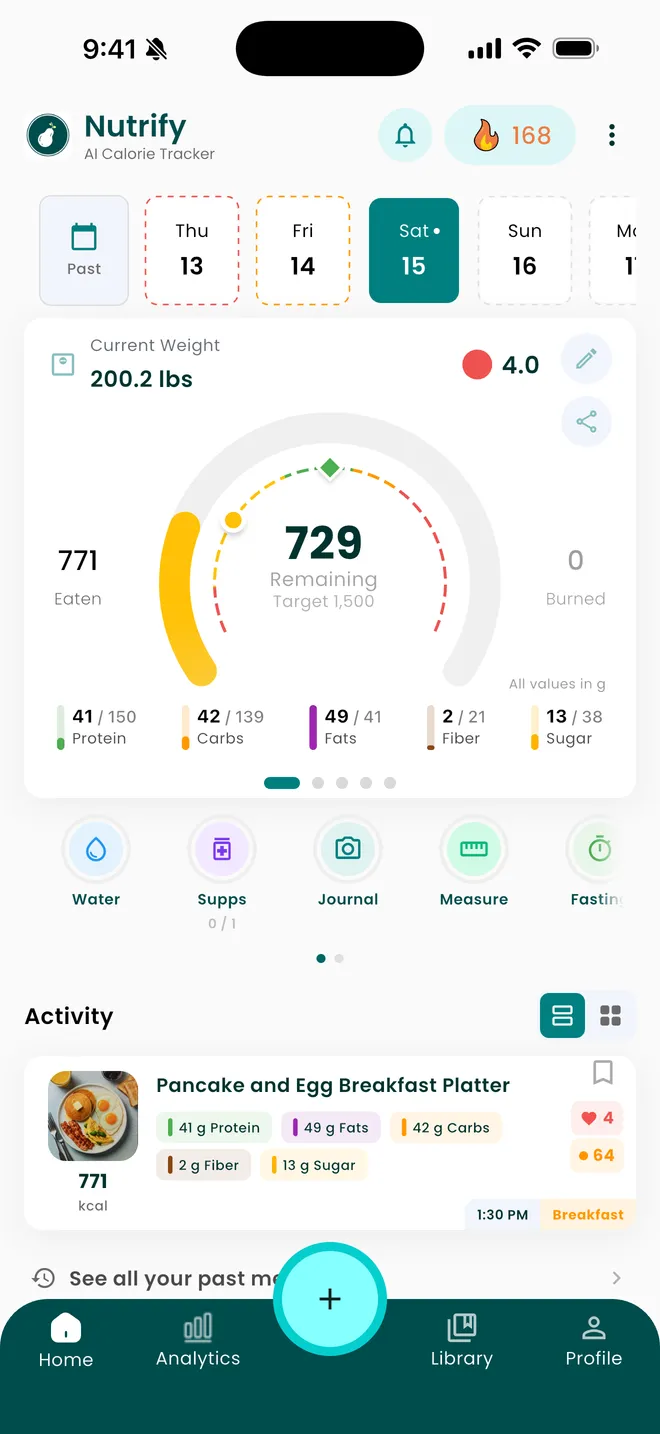
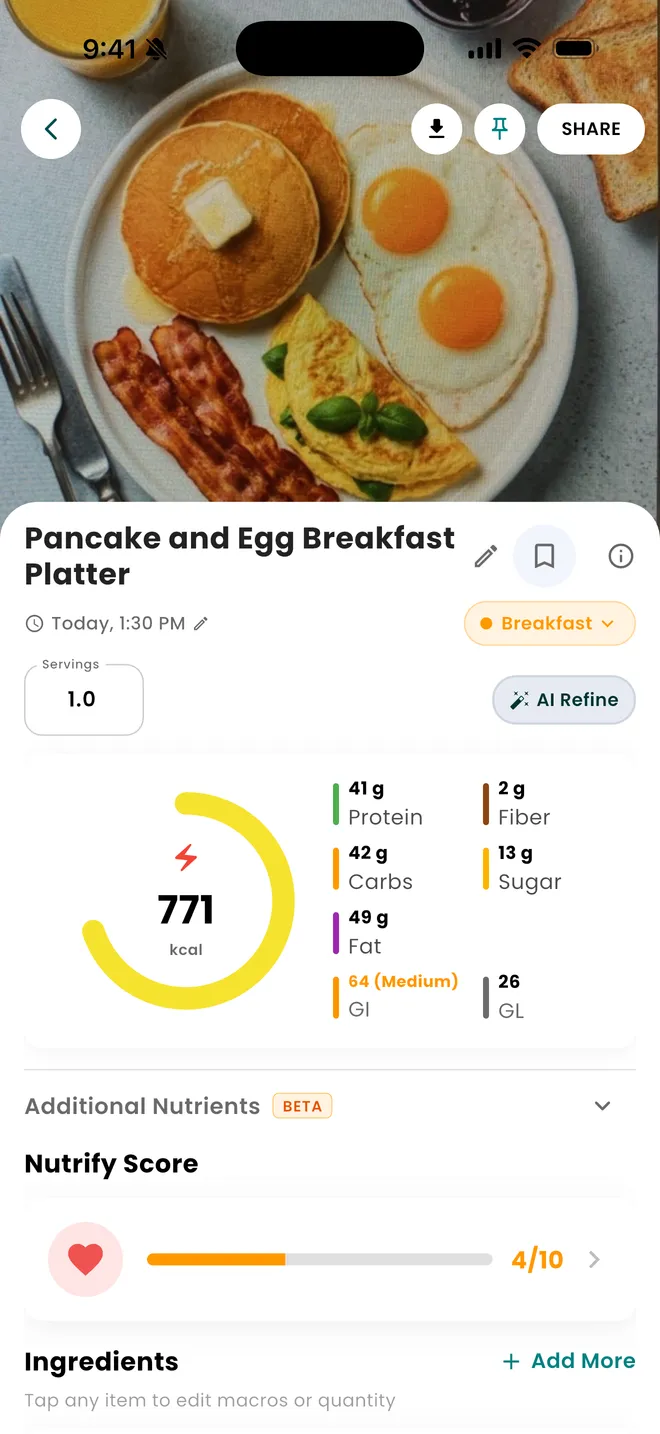
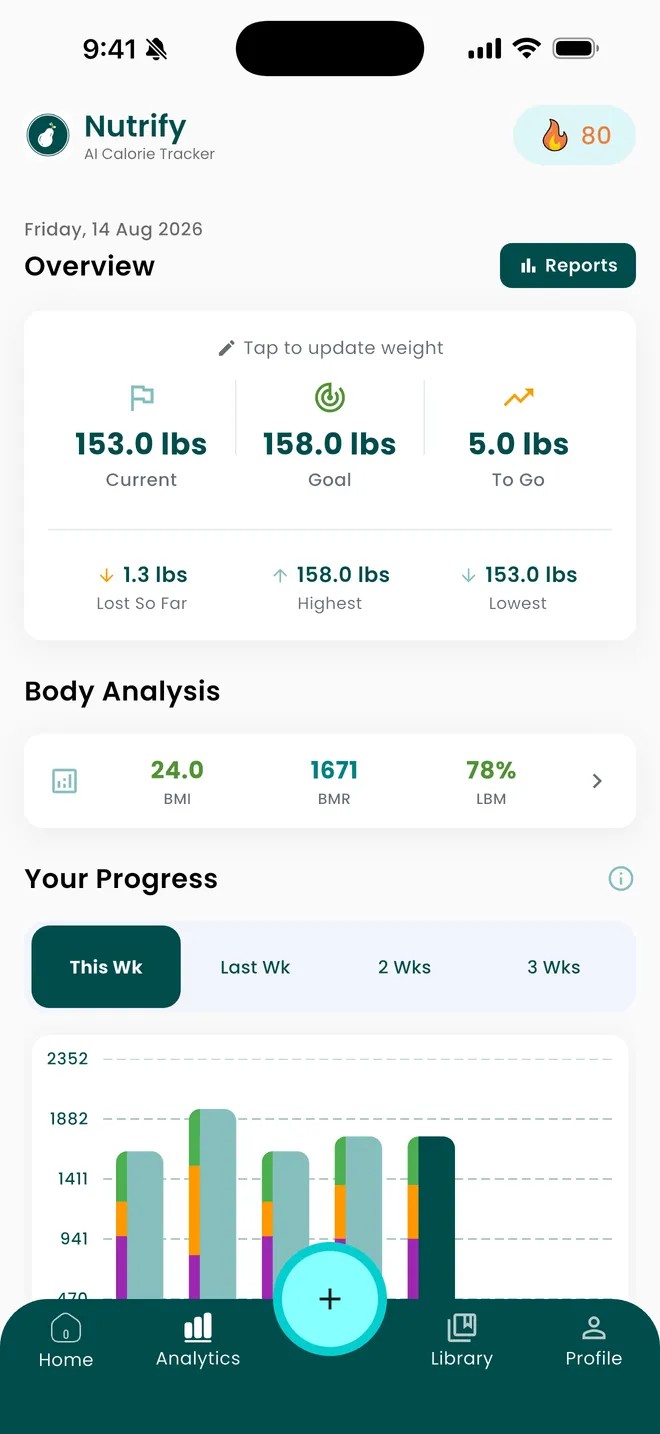
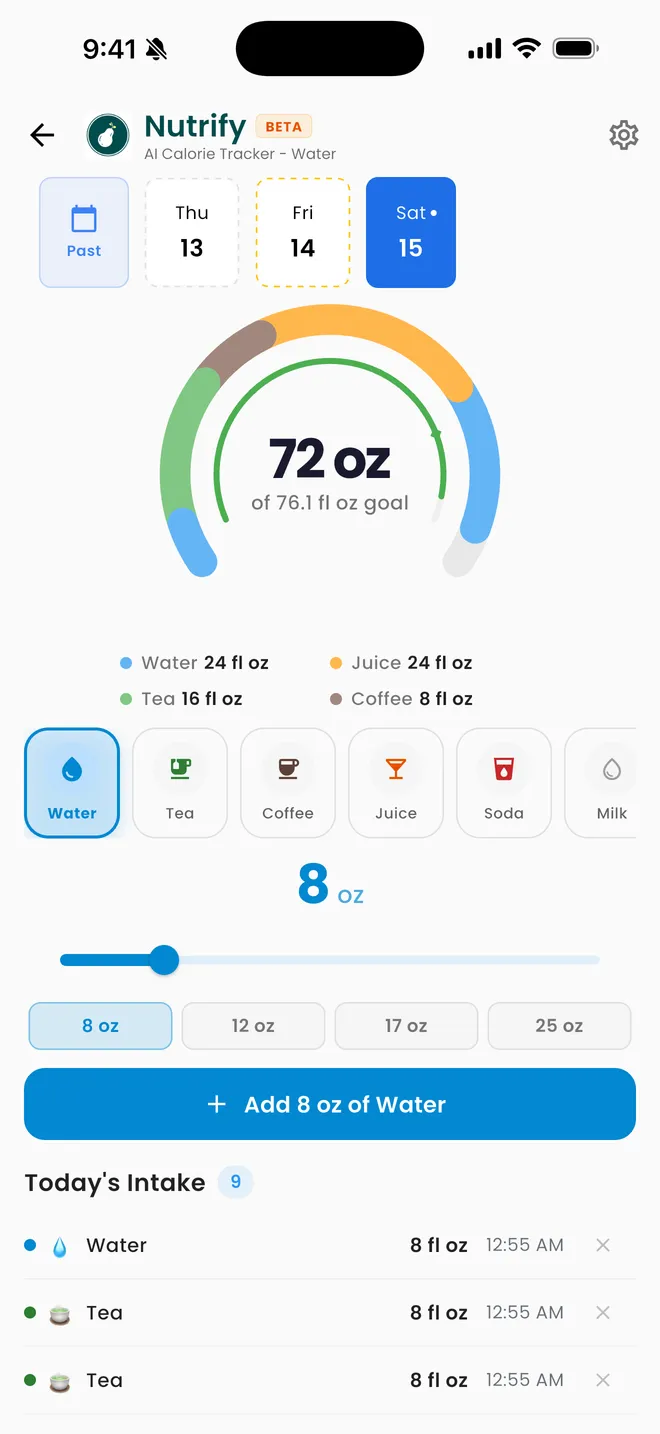
Food, supplements, fasting, and progress in one app


Learn More About Caffeine
How Caffeine Works in Your Body
Caffeine is the world's most widely consumed psychoactive substance, used daily by an estimated 80% of the global population. But how does it actually work? When you drink coffee, tea, or an energy drink, caffeine is absorbed through your stomach and small intestine within 15-45 minutes. It then crosses the blood-brain barrier and goes to work on your central nervous system.
Caffeine works primarily by blocking adenosine receptors in your brain. Adenosine is a neurotransmitter that builds up throughout the day and makes you feel sleepy - it's essentially your body's natural "tiredness signal." When caffeine occupies those receptors, adenosine can't bind to them, so you don't feel the drowsiness signals. Instead, you feel alert and energized.
But that's not all caffeine does. It also triggers the release of adrenaline (the "fight or flight" hormone), which increases your heart rate, opens your airways, and boosts blood flow to muscles. It stimulates dopamine production (the "feel good" neurotransmitter), which is why your morning coffee genuinely makes you feel happier. Caffeine also increases cortisol levels temporarily, which heightens alertness and focus.
The effects of caffeine typically peak 30-60 minutes after consumption and can last anywhere from 3-10 hours depending on your metabolism, genetics, and sensitivity level. Your liver breaks down caffeine using the CYP1A2 enzyme, and the speed of this process determines whether you're a "fast" or "slow" metabolizer - which significantly impacts how caffeine affects you.
How Much Caffeine Is Too Much?
The FDA has established 400mg per day as the generally safe limit for healthy adults. But "safe" doesn't mean "optimal" for everyone. Your personal caffeine tolerance depends on several factors:
Body Weight
A more personalized measure is 6mg per kilogram of body weight. A 60kg (132lb) person should aim for no more than 360mg, while an 80kg (176lb) person can tolerate up to 480mg. This is why the same amount of coffee hits some people harder than others.
Genetics
Variations in the CYP1A2 gene determine how quickly your liver metabolizes caffeine. About 50% of people are "fast metabolizers" who clear caffeine quickly, while the other half are "slow metabolizers" who feel effects much longer. A simple observation: if one cup of coffee keeps you wired for hours, you are likely a slow metabolizer.
Age
Caffeine metabolism slows with age. Older adults may need to reduce their intake compared to their younger years. Additionally, older adults are more susceptible to caffeine-related sleep disruption.
Medications and Health Conditions
Many medications interact with caffeine metabolism. Birth control pills can double caffeine's half-life. Certain antibiotics (ciprofloxacin), antidepressants (fluvoxamine), and heart medications can significantly slow caffeine clearance. Conditions like liver disease, anxiety disorders, and GERD may require reduced intake.
Pregnancy
Pregnant women should limit caffeine to 200mg per day (roughly one 12-ounce cup of coffee). During pregnancy, caffeine metabolism slows dramatically - the half-life increases from 5 hours to 9-11 hours. High caffeine intake during pregnancy has been associated with increased risk of low birth weight and preterm birth.
Caffeine Content in Common Drinks
Not all caffeinated beverages are created equal. Here's a comprehensive comparison to help you track your daily intake accurately:
| Beverage | Serving Size | Caffeine (mg) | Notes |
|---|---|---|---|
| Brewed Coffee | 8 oz (240ml) | 80-100mg | Varies by brewing method and bean type |
| Espresso | 1 shot (1 oz) | 63mg | A double shot latte has ~126mg |
| Cold Brew Coffee | 8 oz (240ml) | 100-200mg | Often higher caffeine due to long steeping |
| Black Tea | 8 oz (240ml) | 40-70mg | Avg ~47mg; contains L-theanine for calm focus |
| Green Tea | 8 oz (240ml) | 20-45mg | Avg ~28mg; rich in antioxidants |
| Energy Drink | 8 oz (240ml) | 70-100mg | Avg ~80mg per 8oz; 16oz cans have 140-200mg |
| Pre-Workout | 1 scoop | 150-300mg | Avg ~200mg; some brands exceed 300mg |
| Soda / Cola | 12 oz (355ml) | 30-40mg | Avg ~34mg; also high in sugar |
| Decaf Coffee | 8 oz (240ml) | 2-15mg | Not caffeine-free! 97% of caffeine removed |
| Dark Chocolate | 1 oz (28g) | 12-25mg | Higher cocoa % = more caffeine |
| Matcha | 8 oz (240ml) | 60-80mg | Whole leaf = more caffeine than steeped green tea |
Note: Caffeine content can vary significantly depending on brand, preparation method, and serving size. The values above represent typical ranges based on USDA and manufacturer data.
Caffeine and Sleep: The Science
Caffeine's impact on sleep is one of its most significant and well-studied effects. Even if you feel like caffeine "doesn't affect" your sleep, research tells a different story. A landmark study published in the Journal of Clinical Sleep Medicine found that caffeine consumed even 6 hours before bedtime significantly reduced total sleep time by over an hour and disrupted sleep quality - even when participants reported no subjective sleep problems.
Here's why caffeine and sleep don't mix: remember that adenosine we mentioned earlier? Throughout the day, adenosine accumulates in your brain, creating "sleep pressure" - the natural urge to sleep. By blocking adenosine receptors, caffeine effectively delays this sleep pressure. But here's the catch - the adenosine doesn't go away. It's still building up behind the caffeine blockade. When the caffeine eventually wears off, all that accumulated adenosine hits your receptors at once, causing the infamous "caffeine crash."
Caffeine also suppresses melatonin production. Research from the University of Colorado Boulder found that a double espresso consumed 3 hours before bedtime delayed the body's melatonin cycle by about 40 minutes - roughly half the effect of bright light exposure. This means caffeine doesn't just make it harder to fall asleep; it shifts your entire circadian rhythm.
The sleep effects are dose-dependent and influenced by your sensitivity. For most people, keeping caffeine below 25mg in your system at bedtime is considered "sleep-safe." With a typical 5-hour half-life, a 200mg dose at 2pm would leave about 25mg at midnight. This is why sleep researchers recommend a caffeine cutoff of 8-10 hours before bed. Use our calculator to determine your exact cutoff time based on your caffeine intake pattern and sensitivity.
How Caffeine Affects Each Sleep Stage
- Sleep onset latency: Caffeine can delay the time it takes to fall asleep by 15-45 minutes, depending on dose and timing.
- Deep sleep (N3): Even moderate caffeine intake reduces slow-wave sleep by up to 20%, which is critical for physical recovery and immune function.
- REM sleep: Caffeine can reduce REM sleep duration, which is essential for memory consolidation and emotional processing.
- Sleep efficiency: Overall sleep efficiency (time asleep vs. time in bed) decreases with caffeine consumption later in the day.
Caffeine Tolerance and Dependence
Regular caffeine consumption leads to physiological adaptations that affect how your body responds to it. Understanding tolerance and dependence can help you use caffeine more effectively.
Tolerance develops when your brain adapts to regular caffeine exposure by creating more adenosine receptors. Within 1-4 weeks of daily consumption, the same dose of caffeine produces less of an alerting effect. This is why many coffee drinkers gradually increase their intake over time - they need more caffeine to achieve the same "boost." Tolerance develops at different rates for different effects: tolerance to cardiovascular effects (blood pressure, heart rate) develops within 1-5 days, while tolerance to subjective alertness takes 1-4 weeks.
Dependence is different from addiction but is still significant. When someone who regularly consumes caffeine suddenly stops, they experience withdrawal symptoms. These typically begin 12-24 hours after the last dose, peak at 20-51 hours, and can last 2-9 days. Common withdrawal symptoms include:
- Headache (the most common symptom, affecting up to 50% of people)
- Fatigue and drowsiness
- Irritability and difficulty concentrating
- Depressed mood
- Flu-like symptoms (nausea, muscle pain)
Resetting your tolerance: The most effective strategy is a complete caffeine break of 7-12 days. After this period, your brain's adenosine receptor count returns to baseline, and caffeine becomes highly effective again. If going cold turkey sounds too harsh, try gradually reducing your intake by 25% every 3 days. Alternatively, some people cycle caffeine - for example, 5 days on, 2 days off - to maintain sensitivity.
Benefits of Moderate Caffeine Intake
When consumed in moderation (200-400mg/day for most adults), caffeine offers several well-documented health and performance benefits:
Cognitive Benefits
- Improved alertness, attention, and reaction time
- Enhanced short-term memory and working memory
- Reduced risk of cognitive decline with age
- Lower risk of Parkinson's disease (30-60% reduction in regular drinkers)
- Potential protective effect against Alzheimer's disease
- Improved mood and reduced risk of depression
Physical Health Benefits
- Rich source of antioxidants (coffee is the #1 source in Western diets)
- Reduced risk of type 2 diabetes (7% lower risk per cup/day)
- Protective effect against certain cancers (liver, colorectal)
- Lower risk of liver disease and cirrhosis
- Modest increase in metabolic rate (3-11%)
- Enhanced fat oxidation during exercise
Important: These benefits are associated with moderate, regular consumption. Excessive intake can negate many benefits and cause adverse effects. Individual responses vary based on genetics and health status.
Caffeine and Exercise Performance
Caffeine is one of the most well-researched and effective legal performance-enhancing substances available. The International Society of Sports Nutrition (ISSN) recognizes caffeine as an effective ergogenic aid when consumed in doses of 3-6mg per kilogram of body weight, taken 30-60 minutes before exercise.
Endurance Performance
Caffeine can improve endurance exercise performance by 2-4% on average. It enhances fat oxidation, sparing glycogen stores, and reduces perceived exertion - making hard efforts feel easier. Studies show improvements in running, cycling, swimming, and rowing at doses of 3-6mg/kg body weight.
Strength and Power
Caffeine can increase maximal strength by 2-7% and muscular endurance by 6-12%. It enhances neuromuscular function by increasing motor unit recruitment and reducing the perception of effort. This is why many pre-workout supplements contain 150-300mg of caffeine.
Reaction Time and Focus
Caffeine improves reaction time by 1-4% and enhances focus during training. This is particularly valuable in sports requiring quick decision-making, accuracy, and sustained concentration. It also helps during sleep-deprived training sessions.
Optimal Timing
For best results, consume caffeine 30-60 minutes before exercise. Peak blood concentration occurs at 45-60 minutes post-ingestion. For early morning workouts, be mindful of how this affects your overall daily intake and sleep-related cutoff times. Use our calories burned calculator to plan your workout nutrition.
One important note for athletes: caffeine was previously banned by the World Anti-Doping Agency (WADA) but was removed from the prohibited list in 2004. It remains on the monitoring program, meaning WADA tracks its use but does not penalize athletes for it. Current research suggests that higher doses (>9mg/kg) do not provide additional benefits and increase the risk of side effects like GI distress, anxiety, and jitteriness.
Tips for Reducing Caffeine Intake
If your caffeine calculator results show you're consuming too much, or if you're experiencing negative side effects, here are proven strategies to reduce your intake without the misery of cold turkey withdrawal:
1. Gradual Reduction (Recommended)
Reduce your daily caffeine intake by 25% every 3-5 days. If you currently drink 4 cups of coffee (380mg), drop to 3 cups for a few days, then 2, and so on. This minimizes withdrawal symptoms and is the most sustainable approach.
2. Swap to Lower-Caffeine Options
Replace one daily coffee with green tea (28mg vs 95mg) or half-caf coffee. Switch from espresso-based drinks to brewed coffee, or try herbal alternatives like chicory root coffee or rooibos tea for zero caffeine.
3. Dilution Strategy
Mix regular coffee with decaf in increasing proportions: start with 75/25 regular/decaf, then 50/50, then 25/75. Most people can't tell the taste difference, and you'll reduce caffeine intake without changing your routine.
4. Delay Your First Cup
Wait 90-120 minutes after waking before your first caffeinated drink. Your cortisol levels are naturally highest in the first 1-2 hours after waking, so caffeine during this window is less effective. By delaying, you'll need less caffeine throughout the day and you'll get more benefit from each cup.
5. Address the Root Cause
Often, high caffeine intake is compensating for poor sleep, chronic stress, or nutritional deficiencies. Focus on getting 7-9 hours of quality sleep, staying hydrated (use our water intake calculator), eating a balanced diet, and managing stress. Many people find they naturally need less caffeine when these foundations are solid.
When to See a Doctor
While moderate caffeine consumption is safe for most people, you should consult a healthcare provider if you experience:
- Heart palpitations or irregular heartbeat - Persistent palpitations after caffeine could indicate an underlying arrhythmia. This is especially important if you have a family history of heart conditions.
- Severe anxiety or panic attacks - Caffeine can trigger or worsen anxiety disorders. If you notice increasing anxiety, racing thoughts, or panic episodes related to caffeine intake, seek professional evaluation.
- Chronic insomnia despite cutting back - If reducing caffeine and following sleep hygiene practices doesn't improve your sleep within 2-3 weeks, there may be an underlying sleep disorder that needs clinical attention.
FAQ
الأسئلة الشائعة
اعثر على إجابات للأسئلة الشائعة
The FDA recommends a maximum of 400mg of caffeine per day for healthy adults, which is roughly equivalent to four 8-ounce cups of brewed coffee. However, your personal safe limit depends on your body weight (approximately 6mg per kilogram), genetics, medications, and health conditions. Pregnant women are advised to limit caffeine to 200mg per day. Children and adolescents should consume significantly less - the American Academy of Pediatrics recommends no more than 100mg per day for those aged 12-18, and discourages caffeine for younger children entirely. If you have anxiety disorders, heart conditions, or are taking certain medications, consult your doctor about your safe caffeine limit.
Caffeine has a half-life of approximately 5 hours in most healthy adults, meaning it takes about 5 hours for your body to eliminate half the caffeine you consumed. So if you drink 200mg of caffeine at noon, you will still have about 100mg in your system at 5pm and 50mg at 10pm. However, the half-life varies significantly between individuals: fast metabolizers may clear caffeine in 3 hours, while slow metabolizers can take 7-9 hours. Factors that slow caffeine metabolism include pregnancy (half-life doubles to 9-11 hours), oral contraceptives, liver disease, and certain medications. Smoking actually speeds up caffeine metabolism. It takes roughly 5-6 half-lives (25-30 hours) to completely eliminate caffeine from your system.
A good rule of thumb is to stop consuming caffeine at least 8-10 hours before your desired bedtime. If you go to bed at 10pm, your last caffeinated drink should be around noon to 2pm. This allows enough time for caffeine levels to drop below the 25mg threshold that researchers consider "sleep-safe." Research published in the Journal of Clinical Sleep Medicine found that caffeine consumed even 6 hours before bedtime can reduce total sleep time by over an hour and significantly disrupt sleep quality. If you are a slow metabolizer or have high caffeine sensitivity, you may need to cut off even earlier - up to 12 hours before bed. Use our calculator above to find your personalized cutoff time based on your sensitivity level.
This is one of the most common caffeine myths! While caffeine is a mild diuretic (it makes you urinate more), the water content in caffeinated beverages more than compensates for the diuretic effect. A 2014 study published in PLOS ONE found that moderate coffee consumption (up to 4 cups per day) does not cause dehydration and contributes to daily fluid intake similar to water. However, very high doses of caffeine (above 500mg) can have a more significant diuretic effect. The key is moderate consumption - your morning coffee counts toward your daily water intake. That said, relying solely on caffeinated beverages for hydration is not ideal. Check out our water intake calculator for personalized hydration recommendations.
Yes, caffeine tolerance is real and develops relatively quickly! Regular caffeine consumers develop tolerance to many of caffeine's effects - including alertness, blood pressure increases, and diuretic effects - within 1-4 weeks of consistent daily consumption. This happens because your brain produces more adenosine receptors to compensate for caffeine blocking them. As tolerance builds, you need progressively more caffeine to achieve the same alerting effect. This is why a daily coffee drinker might need 3-4 cups to feel the same buzz they once got from a single cup. The good news: tolerance can be reversed! A "caffeine reset" of 7-12 days with no caffeine (or very minimal intake) can significantly reduce tolerance. During the reset, you may experience withdrawal symptoms like headaches, fatigue, and irritability for 2-9 days.
Consuming too much caffeine can cause a range of unpleasant symptoms. Mild to moderate overdose symptoms (400-600mg for most adults) include: restlessness, anxiety, rapid heartbeat, stomach upset, insomnia, muscle tremors, and irritability. More severe symptoms from very high intake (600mg+) include: heart palpitations, chest pain, confusion, vomiting, diarrhea, and in rare cases seizures. Caffeine intoxication is a recognized clinical condition that occurs at roughly 1,200mg or more in a short period. The lethal dose is estimated at 5,000-10,000mg (5-10 grams), though this varies by body weight. Energy drinks and caffeine pills pose the highest risk because they deliver large doses quickly. If you experience persistent heart palpitations, chest pain, or severe anxiety after consuming caffeine, seek medical attention immediately.
For most healthy adults, moderate caffeine consumption (up to 400mg/day) is not harmful to heart health and may even be protective. A large 2021 meta-analysis published in the European Journal of Preventive Cardiology, covering over 380,000 participants, found that moderate coffee consumption (2-3 cups daily) was associated with a lower risk of cardiovascular disease, coronary heart disease, and heart failure. Caffeine can temporarily increase heart rate and blood pressure, but these effects diminish with regular consumption due to tolerance. However, people with certain heart conditions like arrhythmias, uncontrolled hypertension, or those taking specific cardiac medications should consult their doctor about caffeine intake. Sudden large doses of caffeine can trigger palpitations or irregular heartbeats in susceptible individuals.
Yes, decaf coffee is not completely caffeine-free! The decaffeination process removes about 97% of caffeine, but a typical 8-ounce cup of decaf still contains 2-15mg of caffeine, depending on the brand and brewing method. For comparison, a regular cup of coffee has about 95mg. While this small amount is negligible for most people, it can add up if you drink multiple cups. Someone drinking 5-6 cups of decaf could consume 10-90mg of caffeine - equivalent to a weak cup of regular coffee. This is worth considering if you are highly sensitive to caffeine or have been told to eliminate it entirely (for example, during pregnancy or for certain medical conditions). Similarly, decaf tea contains 1-4mg per cup compared to 25-48mg in regular tea.
Related Calculators
Optimize your complete health and nutrition plan with these related calculators:
Water Intake Calculator
Calculate your daily hydration needs - caffeine has a mild diuretic effect, so proper hydration is essential for coffee drinkers.
Calories Burned Calculator
Plan your workout nutrition - caffeine before exercise can boost performance and fat oxidation by 10-15%.
TDEE Calculator
Calculate your total daily energy expenditure - caffeine can modestly boost metabolic rate by 3-11%.
Macro Calculator
Get your ideal macronutrient split - understand how caffeine fits into your overall nutrition strategy.
غيّر عاداتك مع Nutrify
حلك الشامل بالذكاء الاصطناعي لتتبع السعرات والوجبات والوصفات. نحو حياة أكثر صحة وسعادة.
- •تتبع السعرات بسهولة مع التعرف على الطعام بالذكاء الاصطناعي
- •خطط وجبات ووصفات مخصصة
- •تتبع التقدم والرؤى التحليلية
More than a calorie counter
Food, supplements, fasting, and progress in one app
تابع Nutrify على Google
أضف Nutrify كمصدر مفضّل لترى المزيد من أدلتنا الغذائية في نتائج بحث Google.