
Intermittent Fasting Calculator
غيّر عاداتك مع Nutrify
حلك الشامل بالذكاء الاصطناعي لتتبع السعرات والوجبات والوصفات. نحو حياة أكثر صحة وسعادة.
- •تتبع السعرات بسهولة مع التعرف على الطعام بالذكاء الاصطناعي
- •خطط وجبات ووصفات مخصصة
- •تتبع التقدم والرؤى التحليلية


More than a calorie counter
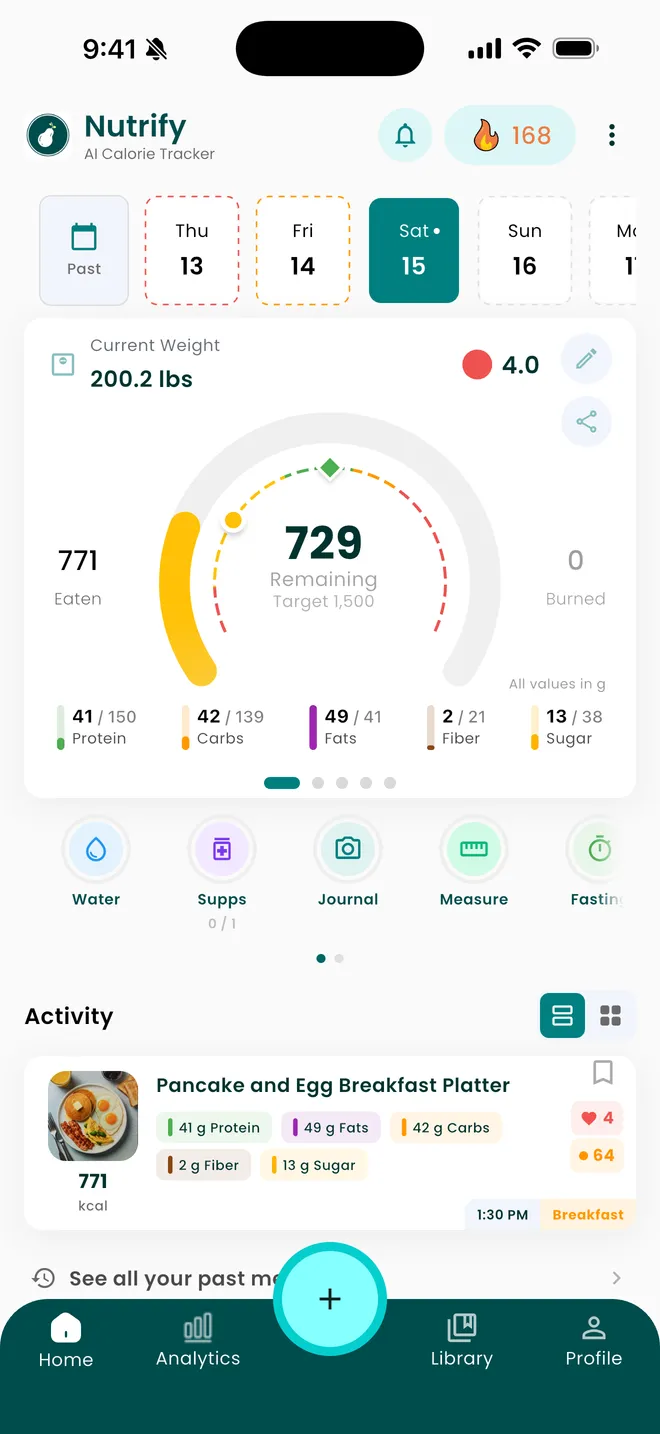
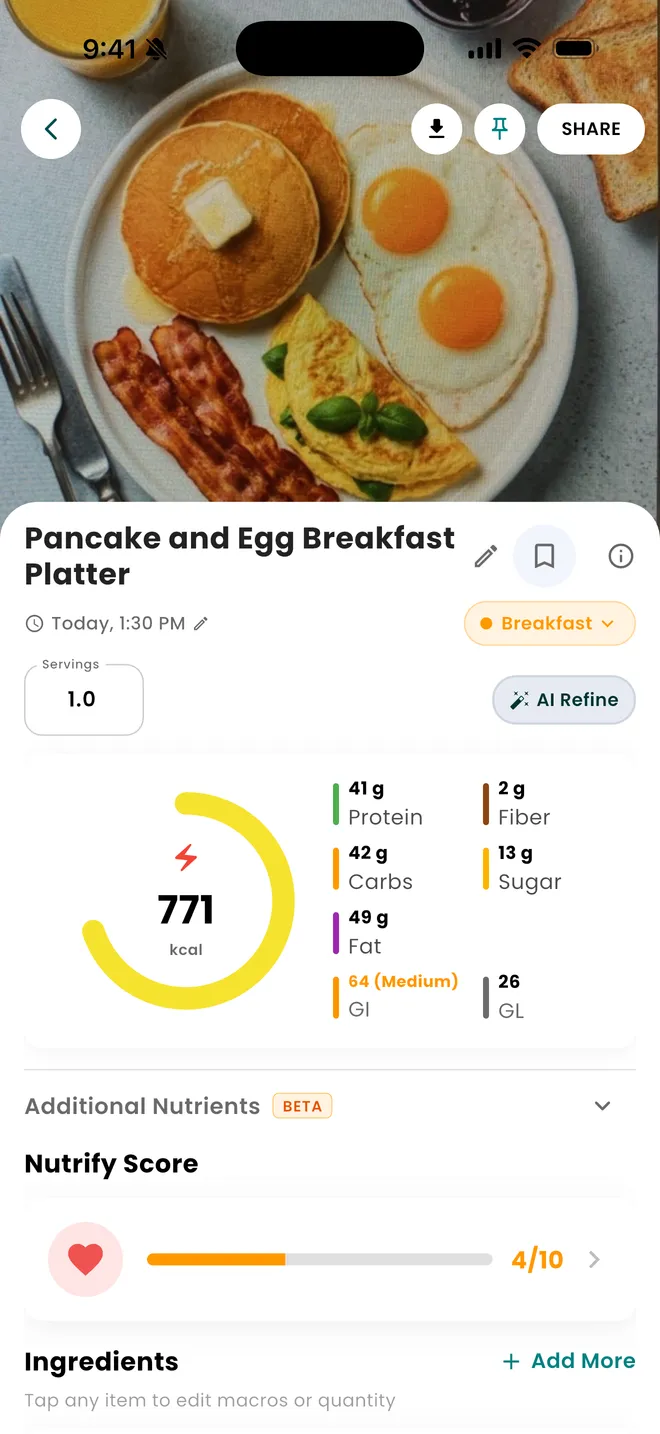
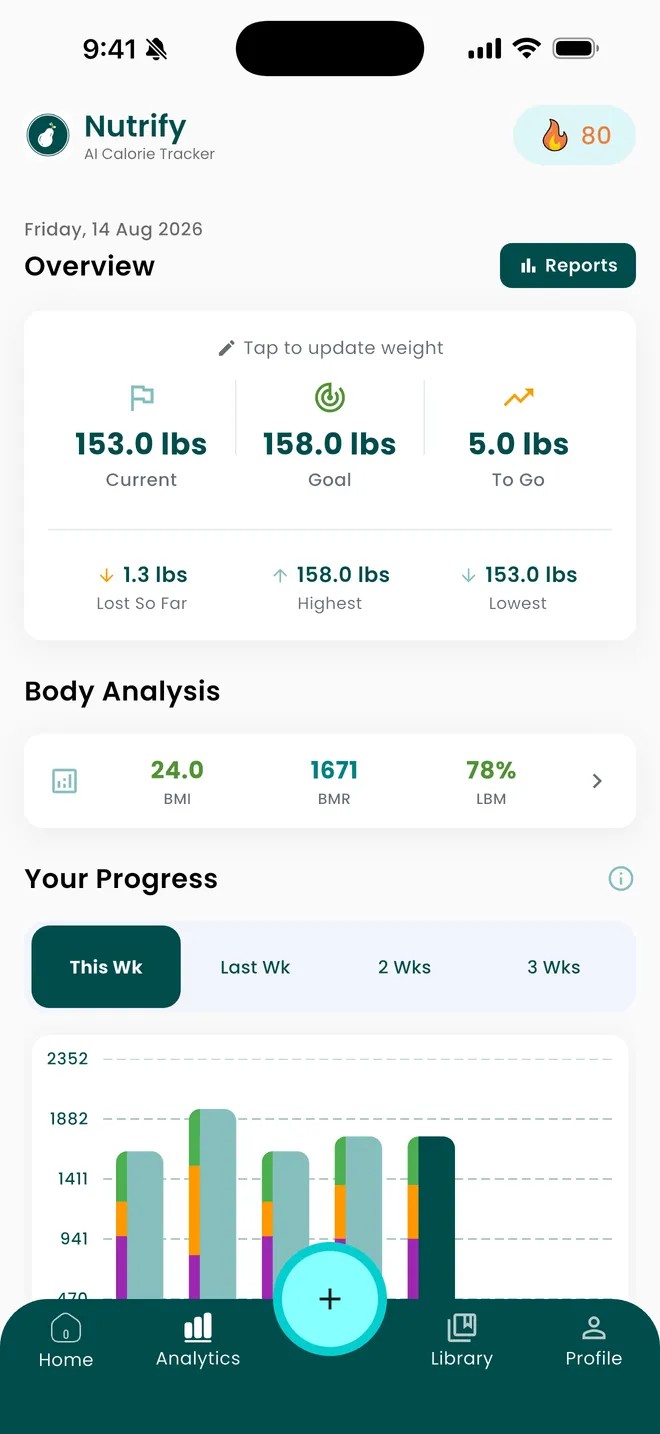
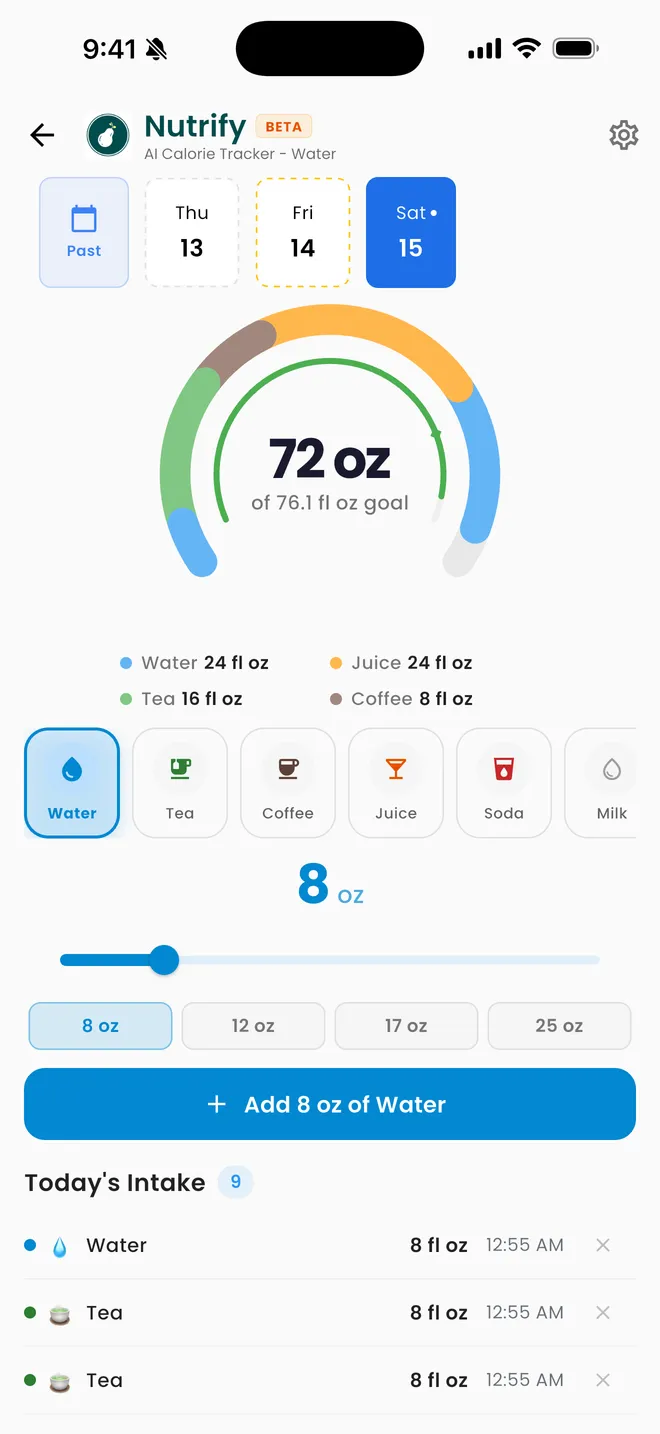
Food, supplements, fasting, and progress in one app


Learn More About Intermittent Fasting
Intermittent Fasting Calculator: Complete Guide to IF Protocols
Intermittent fasting (IF) is an eating pattern that cycles between periods of fasting and eating. Unlike traditional diets that focus on what you eat, intermittent fasting focuses on when you eat. This calculator helps you determine your optimal fasting schedule, eating window, and calorie targets based on your chosen protocol and personal goals.
What Is Intermittent Fasting?
Intermittent fasting is not a diet in the traditional sense -- it is an eating pattern that does not prescribe specific foods but instead determines when you should eat them. The concept is rooted in our evolutionary history: for thousands of years, humans did not have access to food 24/7. Our bodies evolved to function well during periods without food, and research suggests that periodic fasting can trigger beneficial cellular and hormonal changes.
During fasting periods, several important processes occur in the body. Insulin levels drop significantly, facilitating fat burning. Human growth hormone (HGH) levels can increase by up to 5-fold, benefiting fat loss and muscle gain. Cells initiate autophagy, a cellular repair process where they remove old and dysfunctional proteins. Gene expression changes in ways that promote longevity and protection against disease.
The most common misconception about intermittent fasting is that it is simply about skipping meals. In reality, IF is a structured approach to meal timing that ensures you consume your daily caloric needs within a specific window, optimizing your body's metabolic response to food intake and fasting states.
Popular IF Protocols Explained
There are several well-established intermittent fasting protocols, each with different fasting and eating windows. The best protocol for you depends on your lifestyle, goals, and experience level.
16:8 Protocol (Leangains Method)
The 16:8 method involves fasting for 16 hours and eating within an 8-hour window. Popularized by Martin Berkhan, this is the most widely practiced form of intermittent fasting. A typical schedule involves skipping breakfast and eating between 12:00 PM and 8:00 PM. This protocol is ideal for beginners because it aligns with natural eating patterns and is sustainable long-term.
Best for: Beginners, those seeking sustainable weight management, people who naturally skip breakfast.
18:6 Protocol
The 18:6 method extends the fasting window to 18 hours with a 6-hour eating period. This protocol provides a step up from 16:8 for those who have adapted to time-restricted eating. A typical schedule might be eating between 12:00 PM and 6:00 PM. The narrower eating window naturally limits calorie intake and extends the metabolic benefits of fasting.
Best for: Intermediate fasters, those looking to accelerate weight loss, people comfortable with 16:8 seeking more challenge.
20:4 Protocol (Warrior Diet)
Inspired by Ori Hofmekler's Warrior Diet, the 20:4 protocol involves a 20-hour fasting period and a 4-hour eating window. During the fasting period, small amounts of raw fruits, vegetables, and light protein may be consumed. The main meal is eaten during the 4-hour window, typically in the evening, mimicking ancient warrior eating patterns.
Best for: Experienced fasters, those seeking aggressive fat loss, people who prefer eating one large meal.
OMAD (One Meal A Day / 23:1)
OMAD involves eating all daily calories in a single meal within a 1-hour window and fasting for the remaining 23 hours. This is the most extreme form of daily time-restricted eating. While effective for rapid fat loss, it can be challenging to consume adequate nutrition in one sitting. OMAD requires careful meal planning to ensure sufficient protein, micronutrients, and overall calories.
Best for: Experienced fasters only, those who have successfully practiced shorter fasting protocols, individuals who prefer simplicity.
5:2 Protocol (Modified Fasting)
The 5:2 method, popularized by Dr. Michael Mosley, involves eating normally for 5 days per week and restricting calories to 500-600 on the remaining 2 non-consecutive days. On fast days, women typically aim for 500 calories and men for 600 calories. This approach is different from time-restricted eating because it focuses on calorie reduction rather than meal timing.
Best for: Those who dislike daily fasting, people who prefer flexibility, beginners who find time-restricted eating too challenging.
| Protocol | Fasting Window | Eating Window | Recommended For |
|---|---|---|---|
| 16:8 | 16 hours | 8 hours | Beginners and general health |
| 18:6 | 18 hours | 6 hours | Intermediate, weight loss focus |
| 20:4 | 20 hours | 4 hours | Advanced, aggressive fat loss |
| OMAD (23:1) | 23 hours | 1 hour | Expert, maximum autophagy |
| 5:2 | 2 full days reduced | 5 normal days | Flexible schedules, beginners |
Benefits of Intermittent Fasting
Research has identified numerous health benefits associated with intermittent fasting, supported by both animal studies and an increasing body of human clinical trials.
Weight and Fat Loss
IF promotes weight loss through multiple mechanisms. It naturally reduces calorie intake by limiting eating opportunities. Fasting periods lower insulin levels, which allows stored body fat to be accessed for energy. Studies show that IF can reduce body weight by 3-8% over 3-24 weeks, with significant reductions in waist circumference (4-7%), indicating a loss of harmful visceral fat (Barnosky et al., 2014). A systematic review by Welton et al. (2020) confirmed that IF is as effective as continuous calorie restriction for weight loss.
Improved Insulin Sensitivity
Intermittent fasting can reduce fasting insulin by 20-31% and blood sugar by 3-6% in individuals with prediabetes (Sutton et al., 2018). During fasting, insulin levels drop significantly, allowing cells to become more responsive to insulin when food is consumed. This improved insulin sensitivity reduces the risk of type 2 diabetes and metabolic syndrome. Early time-restricted feeding (eating earlier in the day) appears to be particularly effective for blood sugar control.
Cellular Repair and Autophagy
After 12-16 hours of fasting, cells initiate autophagy -- a process where they break down and recycle old, damaged proteins and cellular components. This cellular housekeeping process is essential for maintaining cellular health and has been linked to reduced risk of cancer, neurodegenerative diseases, and infections. Yoshinori Ohsumi received the 2016 Nobel Prize in Physiology for his discoveries of mechanisms for autophagy, highlighting the scientific importance of this process.
Heart Health
IF has been shown to improve several risk factors for heart disease. Research demonstrates reductions in LDL cholesterol (by 25%), blood triglycerides (by 32%), inflammatory markers such as C-reactive protein, and blood pressure. A study published in the American Journal of Clinical Nutrition found that alternate-day fasting improved cardiovascular risk markers in both normal-weight and overweight individuals.
Brain Health and Cognitive Function
Fasting increases production of brain-derived neurotrophic factor (BDNF), a protein that supports the growth and survival of neurons. Higher BDNF levels are associated with improved memory, learning, and mood. Animal studies suggest IF may protect against neurodegenerative diseases like Alzheimer's and Parkinson's. Many IF practitioners report improved mental clarity and focus during fasting periods, likely due to increased norepinephrine and ketone production.
Reduced Inflammation
Chronic inflammation is a driver of many diseases including heart disease, cancer, diabetes, and autoimmune conditions. Research shows that IF can significantly reduce markers of inflammation including CRP, IL-6, TNF-alpha, and homocysteine. A study in the journal Nutrition Research found that Ramadan fasting (similar to IF) reduced inflammatory markers by 40-50% in healthy adults. This anti-inflammatory effect may be one of the primary mechanisms behind IF's broad health benefits.
IF and Weight Loss: How It Works
Intermittent fasting promotes weight loss through several interconnected mechanisms that go beyond simple calorie reduction:
- Reduced calorie intake: By limiting the eating window, most people naturally consume 10-25% fewer calories without consciously counting them. Research by Gabel et al. (2018) found that 16:8 participants ate approximately 350 fewer calories per day compared to their usual intake.
- Hormonal optimization: Fasting lowers insulin levels by up to 50%, which shifts the body from fat storage mode to fat burning mode. Simultaneously, norepinephrine levels rise, increasing metabolic rate by 3.6-14% in the short term, and human growth hormone can increase up to 5-fold, supporting fat breakdown and muscle preservation.
- Increased fat oxidation: After depleting liver glycogen stores (typically 12-16 hours into a fast), the body increasingly relies on stored body fat for fuel. This metabolic switch from glucose to fat as a primary fuel source is key to IF's fat loss effectiveness. Ketone production also increases, providing an alternative fuel source for the brain.
- Preserved muscle mass: Unlike chronic calorie restriction, which can cause significant muscle loss (25% of weight lost), IF tends to preserve lean mass better. This is partly due to elevated growth hormone levels during fasting and the cyclical nature of feeding and fasting, which prevents the metabolic adaptation seen with continuous dieting.
- Improved metabolic flexibility: Regular IF practice trains the body to efficiently switch between burning carbohydrates and fats for fuel. This metabolic flexibility improves energy levels, reduces reliance on frequent meals, and enhances overall metabolic health.
Important Note
While IF can be a powerful tool for weight loss, the quality and quantity of food you eat during your eating window still matters. IF is not a license to overeat or consume unlimited junk food. For optimal results, combine IF with nutrient-dense whole foods and adequate protein intake.
What to Eat During Your Eating Window
The quality of food during your eating window significantly impacts your results. Here are evidence-based guidelines for optimizing nutrition during IF:
Prioritize Protein
- Aim for 1.6-2.2g of protein per kg of bodyweight daily
- Include protein in every meal to maintain muscle mass
- Good sources: chicken, fish, eggs, Greek yogurt, legumes, tofu
- Distribute protein evenly across meals in your eating window
Include Healthy Fats
- Fats promote satiety and help you stay full longer
- Focus on unsaturated fats: olive oil, avocado, nuts, seeds
- Include omega-3 fatty acids from fish, flaxseed, or walnuts
- Fats should comprise 25-35% of total calorie intake
Complex Carbohydrates
- Choose whole grains, vegetables, fruits, and legumes
- Fiber-rich carbs support gut health and satiety
- Time carbs around workouts for optimal performance
- Avoid refined sugars and processed carbohydrates
Hydration and Micronutrients
- Drink at least 2-3 liters of water daily (including during fasting)
- Eat colorful vegetables for vitamins and minerals
- Consider a multivitamin if eating window is very short
- Electrolytes (sodium, potassium, magnesium) are important during fasts
Sample Meal Plans by Protocol
16:8 (12 PM - 8 PM eating window)
- 12:00 PM - Meal 1: Grilled chicken breast, quinoa, roasted vegetables, olive oil dressing
- 3:30 PM - Snack: Greek yogurt with berries and almonds
- 7:30 PM - Meal 2: Salmon, sweet potato, steamed broccoli, mixed salad
20:4 (4 PM - 8 PM eating window)
- 4:00 PM - Meal 1: Protein shake with banana, oats, peanut butter
- 7:00 PM - Meal 2: Large portion of steak or chicken, rice, mixed vegetables, avocado
What Breaks a Fast?
One of the most common questions about IF is what you can consume during the fasting window without breaking your fast. The answer depends on your fasting goals:
| Item | Breaks Fast? | Notes |
|---|---|---|
| Water (plain or sparkling) | No | Stay well hydrated during fasts |
| Black coffee | No | May enhance autophagy; no sugar or cream |
| Plain green/herbal tea | No | Rich in antioxidants; no sweeteners |
| Apple cider vinegar (diluted) | No | 1-2 tablespoons in water; minimal calories |
| Bone broth | Technically yes | Contains ~40 cal per cup; some experts allow it |
| Diet soda / artificial sweeteners | Debated | May trigger insulin response despite zero calories |
| Coffee with cream/milk | Yes | Even small amounts of cream contain calories and fat |
| Juice, smoothies, protein shakes | Yes | Significant calories; consume during eating window |
| Gum (sugar-free) | Minimal | Very low calorie but may stimulate appetite |
| Supplements/vitamins | Depends | Fat-soluble vitamins need food; take during eating window |
| BCAAs / amino acids | Yes | Contain calories and trigger an insulin response |
Rule of thumb: Anything with more than approximately 50 calories will likely break your fast and stimulate an insulin response. For maximum autophagy benefits, stick to water, plain black coffee, and unsweetened tea during your fasting window. If your primary goal is weight loss rather than autophagy, a splash of cream in your coffee (under 50 calories) is unlikely to significantly impact results.
IF for Different Goals
IF for Weight Loss
For weight loss, intermittent fasting works best when combined with a moderate calorie deficit of 15-25% below your TDEE. The 16:8 or 18:6 protocols are most sustainable for long-term weight loss. Focus on protein-rich meals to preserve muscle mass, and aim for 0.5-1 kg (1-2 lbs) of weight loss per week. Avoid the temptation to overeat during your eating window -- IF does not override the laws of thermodynamics.
Recommended protocol: 16:8 or 18:6 with a 20% calorie deficit. Pair with moderate exercise 3-5 days per week.
IF for Muscle Gain
Building muscle while practicing IF is entirely possible but requires careful planning. Use the 16:8 protocol for the widest eating window, and consume a slight calorie surplus (10-15% above TDEE). Protein timing becomes important: consume 30-40g of protein in each meal, with your first meal ideally within 1-2 hours of your workout. Resistance training should be scheduled near the start or middle of your eating window.
Recommended protocol: 16:8 with a 10% calorie surplus. Strength train 4-5 days per week, ideally during or just before the eating window.
IF for General Health
If your primary goal is overall health improvement rather than weight change, IF can provide significant benefits even without a calorie deficit. The 16:8 protocol eaten at maintenance calories can improve insulin sensitivity, reduce inflammation markers, enhance autophagy, and support cardiovascular health. Focus on nutrient-dense whole foods during your eating window.
Recommended protocol: 16:8 at maintenance calories. Combine with regular moderate exercise and stress management practices.
Common IF Mistakes to Avoid
- Starting too aggressively: Jumping straight into OMAD or 20:4 without building up from shorter fasts. Start with 12-14 hours and gradually extend to 16:8 over 2-3 weeks. Your body needs time to adapt to using fat for fuel efficiently.
- Overeating during the eating window: IF is not a license to binge. If you consume more calories than you burn during your eating window, you will gain weight regardless of your fasting protocol. Track your intake initially to ensure you stay within your calorie targets.
- Neglecting nutrition quality: Eating fast food and processed meals during your eating window undermines the health benefits of fasting. Focus on whole, unprocessed foods rich in protein, fiber, healthy fats, vitamins, and minerals.
- Not drinking enough water: Dehydration is a common issue during fasting periods. Many people get a significant portion of their daily water from food, so when food intake is restricted, you need to consciously drink more water. Aim for at least 2-3 liters throughout the day.
- Ignoring sleep quality: Poor sleep increases cortisol and ghrelin (hunger hormone) levels, making fasting much harder. Aim for 7-9 hours of quality sleep per night. Avoid eating close to bedtime to improve sleep quality.
- Being too rigid: Life happens. If you need to adjust your eating window occasionally for social events or travel, do so without guilt. Consistency over weeks and months matters more than perfection every single day. An 80% adherence rate still yields significant benefits.
- Insufficient protein intake: With fewer meals, it can be challenging to hit protein targets. Plan meals around protein sources first. Each meal should contain at least 30g of protein to maximize muscle protein synthesis.
- Excessive exercise during fasting: While moderate exercise during fasting is fine, high-intensity workouts on an empty stomach can lead to excessive fatigue, dizziness, and poor performance. Schedule intense training sessions during or shortly after your eating window.
When to See a Doctor
While intermittent fasting is generally safe for healthy adults, you should consult a healthcare professional before starting IF, and stop immediately if you experience concerning symptoms:
- Pre-existing medical conditions: If you have diabetes (especially type 1 or insulin-dependent type 2), heart disease, kidney disease, liver disease, or any condition requiring regular medication with food, consult your doctor before attempting IF. Fasting can significantly affect blood sugar levels and medication efficacy.
- History of eating disorders: IF may trigger or exacerbate disordered eating patterns in individuals with a history of anorexia, bulimia, or binge eating disorder. The restriction-binge cycle of IF can be psychologically harmful for these individuals. Seek guidance from a mental health professional specializing in eating disorders.
- Persistent negative symptoms: Stop IF and see a doctor if you experience persistent dizziness, fainting, heart palpitations, severe headaches, extreme irritability, hair loss, menstrual irregularities, or any symptom that interferes with daily functioning. These may indicate that your fasting protocol is too aggressive or that IF is not appropriate for your individual physiology.
Additional References
- de Cabo R, Mattson MP. Effects of Intermittent Fasting on Health, Aging, and Disease. N Engl J Med. 2019;381(26):2541-2551.
- Varady KA, Cienfuegos S, Ezpeleta M, Gabel K. Clinical application of intermittent fasting for weight loss. Prog Cardiovasc Dis. 2022;64:75-83.
- Longo VD, Panda S. Fasting, Circadian Rhythms, and Time-Restricted Feeding in Healthy Lifespan. Cell Metab. 2016;23(6):1048-1059.
- Anton SD, Moehl K, Donahoo WT, et al. Flipping the Metabolic Switch: Understanding and Applying the Health Benefits of Fasting. Obesity. 2018;26(2):254-268.
- Sutton EF, Beyl R, Early KS, et al. Early Time-Restricted Feeding Improves Insulin Sensitivity, Blood Pressure, and Oxidative Stress. Cell Metab. 2018;27(6):1212-1221.
- Moro T, Tinsley G, Bianco A, et al. Effects of eight weeks of time-restricted feeding on basal metabolism, maximal strength, body composition, inflammation, and cardiovascular risk factors. J Transl Med. 2016;14(1):290.
FAQ
الأسئلة الشائعة
اعثر على إجابات للأسئلة الشائعة
Intermittent fasting is generally safe for most healthy adults. However, it is not recommended for pregnant or breastfeeding women, children and teenagers, people with a history of eating disorders, individuals with type 1 diabetes or on insulin, and those who are underweight (BMI below 18.5). If you have any medical conditions or take medications, consult your healthcare provider before starting IF.
Research shows that intermittent fasting preserves muscle mass better than traditional calorie restriction, especially when combined with resistance training and adequate protein intake (1.6-2.2g per kg of bodyweight). Studies by Moro et al. (2016) found that time-restricted eating with resistance training maintained muscle mass while reducing fat mass. The key is eating sufficient protein during your eating window and maintaining a strength training program.
Yes, you can and should drink water during your fasting window to stay hydrated. Black coffee (no sugar, milk, or cream) and plain tea are also acceptable as they contain negligible calories and do not significantly impact insulin levels. Sparkling water and water with a squeeze of lemon are also fine. Avoid any drinks with calories, artificial sweeteners, or cream, as these can break your fast.
Most people notice initial changes within 2-4 weeks of consistent IF practice. Weight loss typically occurs at a rate of 0.5-1 kg (1-2 lbs) per week with a moderate calorie deficit. Metabolic improvements like better insulin sensitivity can be measured within 2-6 weeks. However, individual results vary based on your starting point, diet quality during the eating window, exercise habits, and adherence to the protocol.
The 16:8 protocol is widely recommended for beginners because it is the easiest to maintain and aligns well with natural eating patterns. Most people already fast for 10-12 hours overnight, so extending this to 16 hours is a manageable transition. Start by pushing breakfast later by 1-2 hours each week until you reach your target fasting window. Once comfortable with 16:8, you can progress to longer fasting windows if desired.
Yes, exercising during intermittent fasting is safe and can enhance fat burning. For moderate cardio, fasted training is generally well-tolerated. For intense strength training, scheduling workouts near the start or end of your eating window is optimal so you can fuel and recover properly. If you train fasted, consider consuming BCAAs or essential amino acids beforehand. Stay hydrated and listen to your body -- reduce intensity if you feel dizzy or lightheaded.
Short-term intermittent fasting (up to 48 hours) actually increases metabolic rate by 3.6-14% due to increased norepinephrine release. Unlike prolonged calorie restriction, IF preserves metabolic rate because fasting periods are followed by normal eating periods. Research by Heilbronn et al. (2005) showed that alternate-day fasting did not significantly reduce resting metabolic rate over 22 days. The key is avoiding chronic under-eating during your eating windows.
Break your fast with a balanced, moderate-sized meal rather than a large feast. Good options include protein-rich foods (eggs, Greek yogurt, lean meat), healthy fats (avocado, nuts, olive oil), and complex carbohydrates (vegetables, whole grains). Avoid breaking your fast with large amounts of sugar, processed foods, or very high-fat meals, as these can cause digestive discomfort and blood sugar spikes. Start with a small snack if your eating window is long enough, then have your main meal 30-60 minutes later.
Related Calculators
- TDEE Calculator - Calculate your Total Daily Energy Expenditure for accurate calorie targets
- Calorie Deficit Calculator - Plan your weight loss journey with precise deficit calculations
- Macro Calculator - Determine optimal protein, fat, and carb ratios for your eating window
- Keto Calculator - Combine intermittent fasting with a ketogenic diet for enhanced fat burning
- AI Food Analyzer - Track your meals during eating windows with AI-powered food recognition
غيّر عاداتك مع Nutrify
حلك الشامل بالذكاء الاصطناعي لتتبع السعرات والوجبات والوصفات. نحو حياة أكثر صحة وسعادة.
- •تتبع السعرات بسهولة مع التعرف على الطعام بالذكاء الاصطناعي
- •خطط وجبات ووصفات مخصصة
- •تتبع التقدم والرؤى التحليلية
More than a calorie counter
Food, supplements, fasting, and progress in one app
تابع Nutrify على Google
أضف Nutrify كمصدر مفضّل لترى المزيد من أدلتنا الغذائية في نتائج بحث Google.