
Sleep Calculator
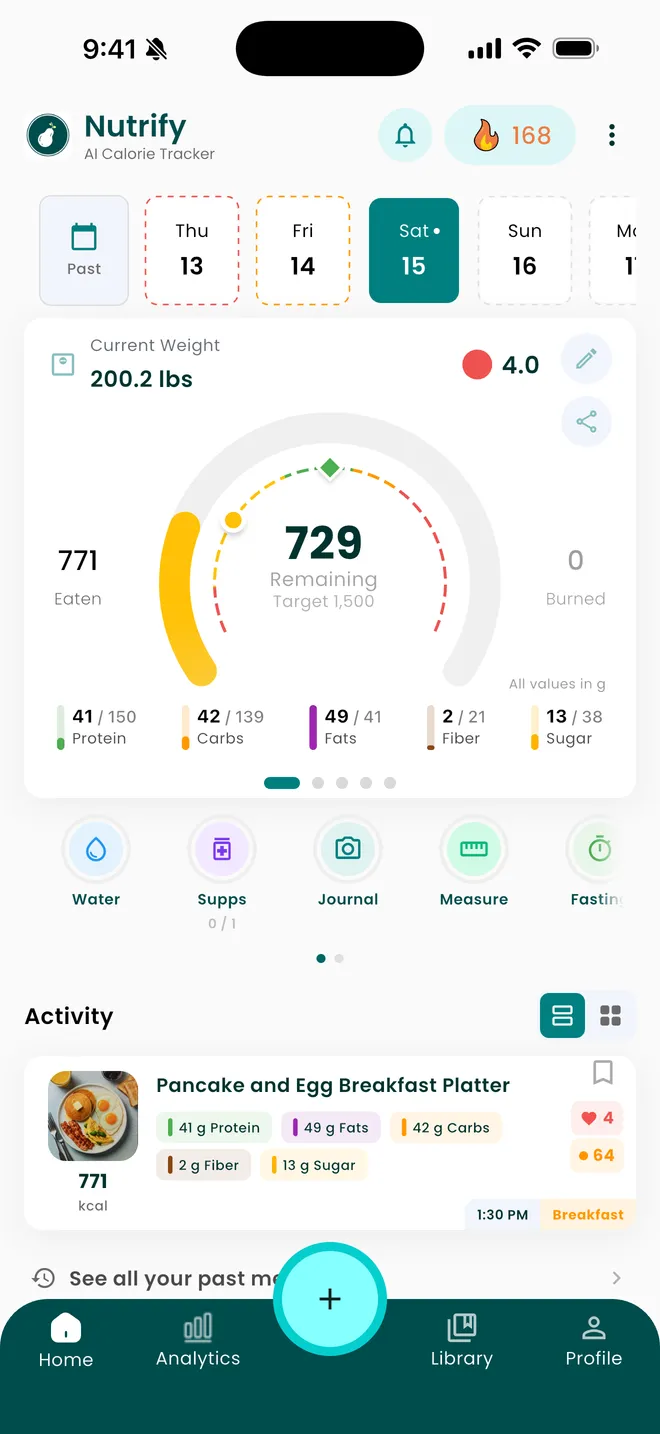
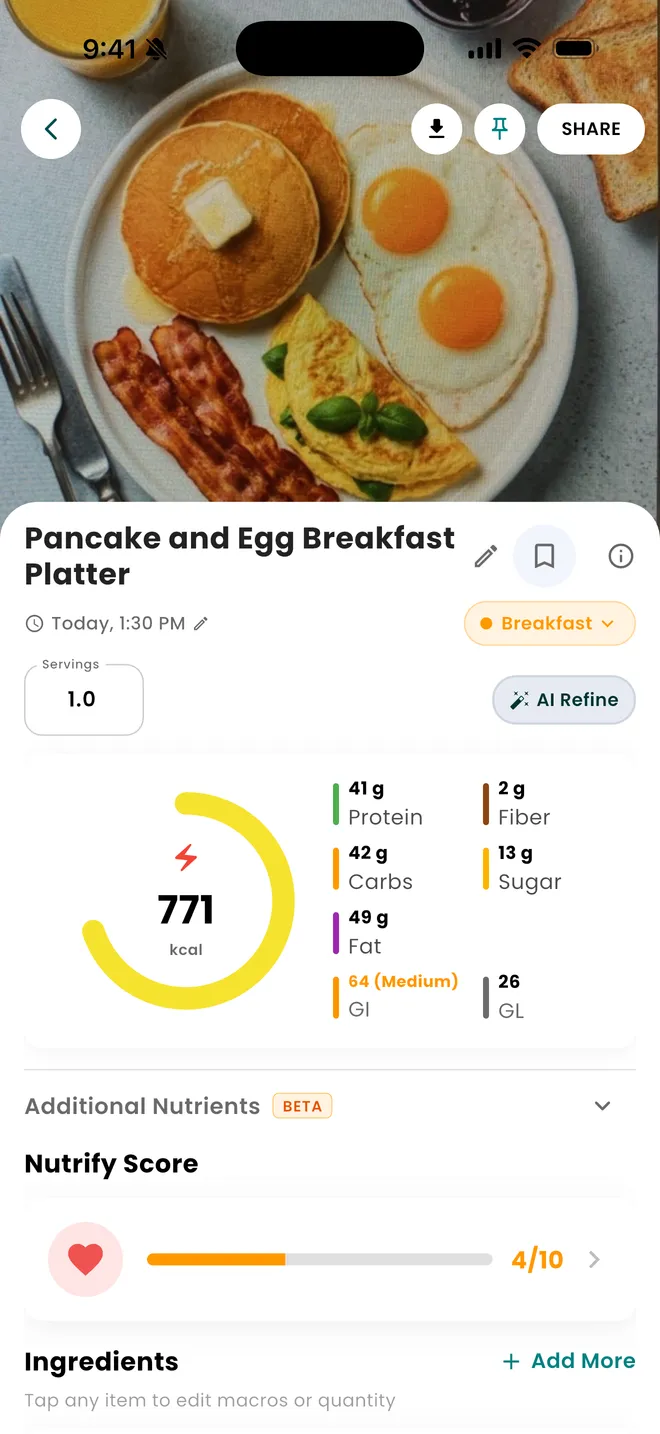
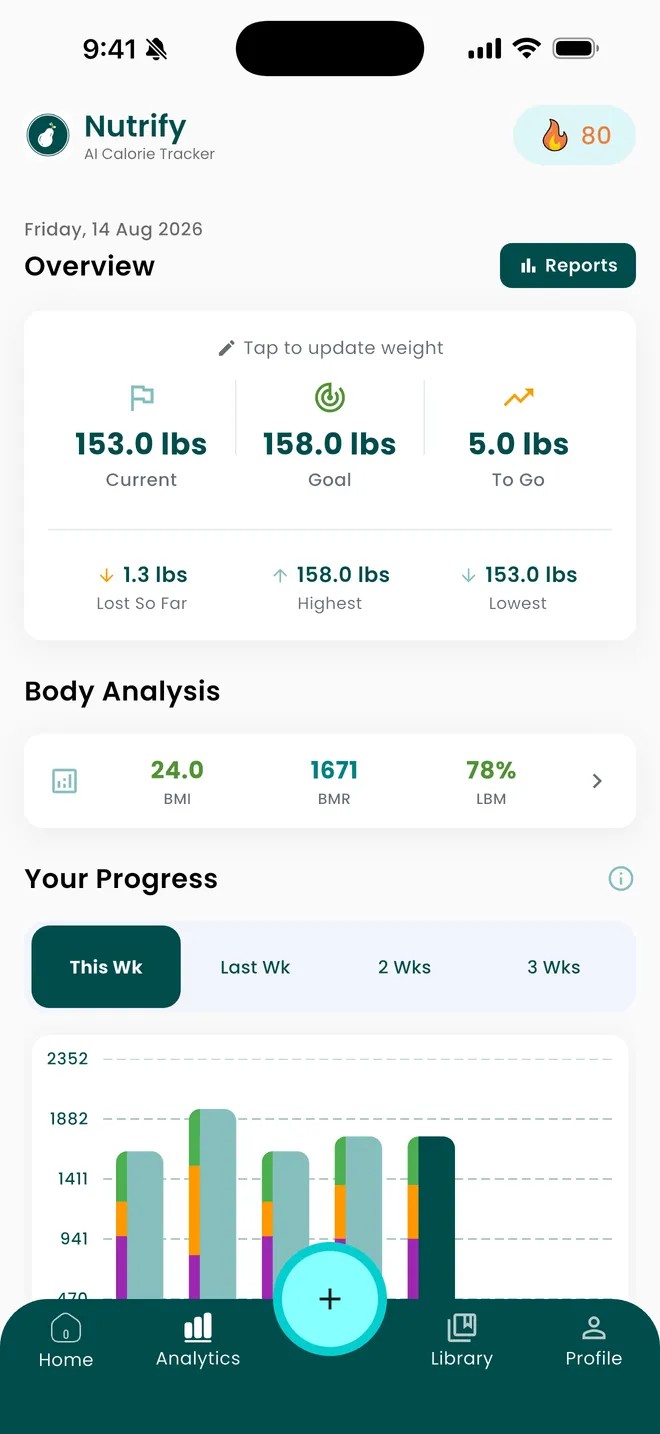
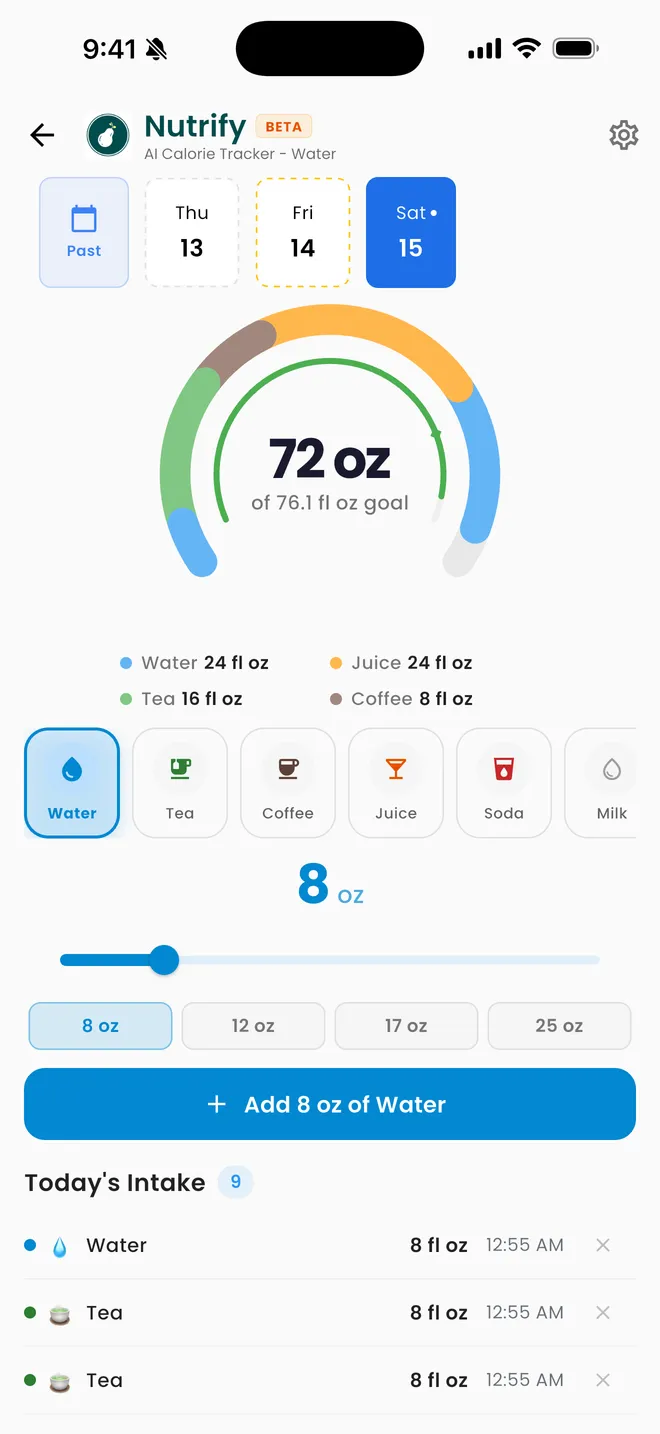
Transformez vos habitudes avec Nutrify
Votre solution tout-en-un propulsée par l'IA pour suivre calories, repas et recettes. Un vous plus sain, plus heureux.
- •Suivi calorique sans effort grâce à la reconnaissance alimentaire par IA
- •Plans de repas et recettes personnalisés
- •Suivi des progrès et analyses


More than a calorie counter
Food, supplements, fasting, and progress in one app


Learn More About Sleep
Sleep Calculator: Complete Guide to Sleep Cycles and Better Rest
Understanding your sleep cycles is the key to waking up refreshed and energized. This guide explains the science behind sleep cycles, how much sleep you truly need based on your age, and evidence-based strategies for improving your sleep quality.
What Are Sleep Cycles?
Sleep is not a uniform state. Throughout the night, your brain cycles through distinct stages of sleep in a predictable pattern known as a sleep cycle. Each complete cycle lasts approximately 90 minutes and consists of four stages: three stages of non-rapid eye movement (NREM) sleep and one stage of rapid eye movement (REM) sleep. A typical night of sleep includes 4 to 6 complete cycles.
The composition of each cycle changes throughout the night. Earlier cycles contain more deep sleep (NREM Stage 3), which is critical for physical restoration and immune function. Later cycles contain proportionally more REM sleep, which is essential for memory consolidation, emotional processing, and learning. This is why both the total amount of sleep and the timing of when you wake up matter for how rested you feel.
Waking up at the end of a complete sleep cycle, during the lighter stages of sleep, helps you feel alert and refreshed. Waking in the middle of a cycle, especially during deep sleep, can cause sleep inertia - that groggy, disoriented feeling that can persist for 15 to 30 minutes or longer.
The 4 Stages of Sleep
Each sleep cycle progresses through four distinct stages, each serving a unique biological purpose. Understanding these stages helps explain why sleep quality matters just as much as sleep quantity.
Stage 1: NREM Light Sleep (1-5 minutes)
This is the transition phase between wakefulness and sleep. Your muscles begin to relax, heart rate and breathing slow, and eye movements become slow and rolling. Brain waves transition from alpha waves (relaxed wakefulness) to theta waves (light sleep). You can be easily awakened during this stage and may experience hypnic jerks - sudden muscle contractions that feel like falling. This stage typically accounts for about 5% of total sleep time.
Key function: Transition from wakefulness, initial muscle relaxation, slowing of physiological processes.
Stage 2: NREM Intermediate Sleep (10-25 minutes)
This is the first stage of true sleep. Body temperature drops, heart rate continues to slow, and eye movements stop. The brain produces sleep spindles (short bursts of rapid brain activity) and K-complexes (large, slow waves), which are believed to play roles in memory consolidation and protecting sleep from external stimuli. You become less aware of your surroundings and are harder to wake.
Key function: Memory processing, sensory gating (filtering out irrelevant stimuli), motor learning consolidation. This stage accounts for about 45-55% of total sleep time.
Stage 3: NREM Deep Sleep / Slow-Wave Sleep (20-40 minutes)
Also called slow-wave sleep (SWS) or delta sleep, this is the deepest and most restorative stage. The brain produces large, slow delta waves. Blood pressure drops, breathing becomes slower and more regular, and muscles are fully relaxed. The body releases growth hormone, repairs tissues, strengthens the immune system, and restores energy. It is very difficult to wake someone from this stage, and doing so typically results in significant sleep inertia and confusion.
Key function: Physical restoration, growth hormone release, immune system strengthening, cellular repair, energy restoration. Deep sleep is most abundant in the first half of the night and decreases with age.
Stage 4: REM Sleep (10-60 minutes)
Rapid Eye Movement sleep is characterized by quick, random eye movements, increased brain activity (similar to wakefulness), vivid dreaming, and temporary muscle paralysis (atonia) that prevents you from acting out dreams. Heart rate and blood pressure become variable. The first REM period of the night may last only 10 minutes, while later REM periods can extend to 60 minutes.
Key function: Memory consolidation (especially emotional and procedural memories), emotional regulation, brain development, creative problem-solving. REM sleep becomes more prevalent in the second half of the night, which is one reason why cutting sleep short disproportionately reduces REM time.
How Much Sleep Do You Need?
Sleep needs vary significantly by age and are influenced by individual factors such as genetics, health conditions, activity level, and overall sleep quality. The National Sleep Foundation convened a panel of 18 experts who reviewed over 300 scientific studies to develop the following evidence-based recommendations:
| Age Group | Age Range | Recommended Hours | May Be Appropriate |
|---|---|---|---|
| Newborn | 0-3 months | 14-17 hours | 11-19 hours |
| Infant | 4-11 months | 12-15 hours | 10-18 hours |
| Toddler | 1-2 years | 11-14 hours | 9-16 hours |
| Preschool | 3-5 years | 10-13 hours | 8-14 hours |
| School Age | 6-13 years | 9-11 hours | 7-12 hours |
| Teen | 14-17 years | 8-10 hours | 7-11 hours |
| Young Adult | 18-25 years | 7-9 hours | 6-11 hours |
| Adult | 26-64 years | 7-9 hours | 6-10 hours |
| Older Adult | 65+ years | 7-8 hours | 5-9 hours |
Source: Hirshkowitz M, et al. National Sleep Foundation's sleep time duration recommendations: methodology and results summary. Sleep Health. 2015;1(1):40-43.
Tips for Better Sleep Quality
Good sleep hygiene refers to the habits and practices that promote consistent, uninterrupted, and restorative sleep. Research consistently shows that these behavioral changes can be as effective as medication for many sleep problems.
Maintain a Consistent Sleep Schedule
Go to bed and wake up at the same time every day, including weekends. Your body's internal clock (circadian rhythm) thrives on regularity. Varying your sleep schedule by more than 30-60 minutes can disrupt your circadian rhythm and reduce sleep quality. Research shows that irregular sleep schedules are associated with poorer academic performance, higher body mass index, and delayed circadian timing.
Create an Optimal Sleep Environment
Keep your bedroom cool (65-68 degrees F / 18-20 degrees C), dark, and quiet. Your core body temperature needs to drop by about 2-3 degrees F to initiate sleep, so a cooler room helps this process. Use blackout curtains or a sleep mask to block light, as even small amounts of light can suppress melatonin production. Consider white noise machines or earplugs if your environment is noisy. Reserve your bed for sleep only to strengthen the mental association between bed and sleep.
Manage Light Exposure
Light is the most powerful regulator of your circadian rhythm. Get bright light exposure (preferably sunlight) within 30 minutes of waking to reinforce your natural wake cycle. In the evening, dim lights 2 hours before bed and avoid screens (phones, tablets, computers, TVs) for at least 30-60 minutes before sleep. Blue light from screens suppresses melatonin production by up to 50% and shifts your circadian clock later. If you must use screens, enable night mode or wear blue-light-blocking glasses.
Watch What and When You Consume
Avoid caffeine at least 6-8 hours before bedtime (its half-life is 5-6 hours, meaning half the caffeine from a 3 PM coffee is still in your system at 9 PM). Limit alcohol, which may help you fall asleep but fragments sleep architecture, reduces REM sleep, and increases nighttime awakenings. Avoid heavy meals within 2-3 hours of bedtime, as digestion can interfere with sleep. If hungry before bed, a small snack containing tryptophan (like a glass of warm milk, a banana, or a handful of almonds) may promote sleepiness.
Develop a Wind-Down Routine
Create a consistent 30-60 minute pre-sleep routine that signals to your body that it is time to sleep. Effective activities include reading a physical book, gentle stretching or yoga, meditation or deep breathing exercises, taking a warm bath (the subsequent drop in body temperature promotes sleepiness), or listening to calming music. Avoid stimulating activities like intense exercise, work, emotional discussions, or exciting content during this wind-down period.
Exercise Regularly, But Time It Right
Regular physical activity improves sleep quality, increases deep sleep duration, and reduces sleep onset latency. Studies show that moderate aerobic exercise can reduce the time it takes to fall asleep by up to 55% and increase total sleep time by 18%. However, vigorous exercise within 1-2 hours of bedtime can elevate core body temperature and adrenaline levels, making it harder to fall asleep. Aim to complete intense workouts at least 3 hours before your target bedtime. Morning or afternoon exercise is ideal.
The Impact of Sleep on Health and Fitness
Sleep is often called the third pillar of health, alongside nutrition and exercise. The relationship between sleep and physical health is bidirectional and profound, affecting virtually every system in the body.
Weight Management
Sleep deprivation disrupts appetite-regulating hormones: it increases ghrelin (the hunger hormone) by up to 28% and decreases leptin (the satiety hormone) by 18%. Studies show that sleeping less than 6 hours per night is associated with a 30% higher risk of obesity. Sleep-deprived individuals consume an average of 385 extra calories per day and tend to crave high-carbohydrate, high-fat foods. Adequate sleep is essential for maintaining a healthy metabolism and supporting weight loss efforts.
Muscle Recovery and Performance
Growth hormone, crucial for muscle repair and growth, is primarily released during deep sleep (NREM Stage 3). Up to 75% of daily growth hormone secretion occurs during sleep. Sleep deprivation impairs muscle protein synthesis, reduces glycogen replenishment, increases cortisol levels (promoting muscle breakdown), and slows recovery from exercise. Athletes who sleep less than 8 hours per night have a 1.7x higher injury risk. Even partial sleep deprivation reduces reaction time, sprint speed, and endurance capacity.
Immune Function
Sleep and the immune system have a strong bidirectional relationship. During sleep, the immune system releases cytokines that help fight infection and inflammation. Sleep deprivation reduces the production of protective cytokines and infection-fighting antibodies. Research shows that people who sleep fewer than 7 hours per night are nearly three times more likely to develop a cold compared to those who sleep 8 or more hours. Chronic sleep deprivation is also associated with reduced vaccine efficacy - sleeping less than 6 hours the week before a flu shot can reduce antibody response by 50%.
Cognitive Function and Mental Health
Sleep plays a critical role in cognitive processes including attention, decision-making, problem-solving, and memory consolidation. A single night of poor sleep can reduce cognitive performance by 20-25%, comparable to being legally intoxicated. Chronic sleep deprivation is strongly linked to increased risk of depression, anxiety, and mood disorders. During sleep, the brain's glymphatic system clears metabolic waste products, including beta-amyloid proteins associated with Alzheimer's disease, at a rate 10 times higher than during wakefulness.
Cardiovascular Health
During healthy sleep, blood pressure decreases by 10-20% (nocturnal dipping), giving the cardiovascular system a period of rest. Chronic short sleep (less than 6 hours) is associated with a 48% increased risk of coronary heart disease and a 15% increased risk of stroke. Sleep deprivation activates the sympathetic nervous system, increases inflammatory markers, and impairs glucose metabolism. Even modest sleep restriction (6 hours per night for one week) can produce pre-diabetic glucose levels in otherwise healthy adults.
Common Sleep Mistakes
- Using your phone in bed: The blue light from screens suppresses melatonin production by up to 50%, and engaging content keeps your brain alert. Social media use before bed is associated with delayed sleep onset and reduced sleep quality in multiple studies.
- Inconsistent sleep schedule: Varying your bedtime and wake time by more than an hour creates "social jet lag," which disrupts your circadian rhythm and is associated with worse mood, increased sleepiness, and higher risk of heart disease.
- Using alcohol as a sleep aid: While alcohol can help you fall asleep faster, it significantly disrupts sleep architecture. It suppresses REM sleep in the first half of the night and causes fragmented sleep, increased awakenings, and vivid dreams in the second half. Even moderate alcohol consumption (2 drinks) can reduce sleep quality by 24%.
- Sleeping in a warm room: Many people keep their bedroom too warm. The body needs to drop its core temperature by 2-3 degrees F to initiate and maintain sleep. A room temperature of 65-68 degrees F (18-20 degrees C) is optimal for most people.
- Hitting the snooze button: The fragmented sleep you get between snooze alarms is low-quality and does not provide restorative benefit. It can actually increase sleep inertia and grogginess. Set your alarm for the time you actually need to get up.
- Trying to force sleep: If you cannot fall asleep within 20 minutes, get out of bed and do something quiet and non-stimulating (reading a book, gentle stretching) until you feel sleepy. Lying in bed frustrated creates a negative association between your bed and wakefulness, worsening insomnia over time.
- Relying on caffeine to compensate: While caffeine can mask sleepiness, it does not replace the cognitive and physical benefits of actual sleep. Excessive caffeine use creates a vicious cycle: caffeine disrupts sleep, poor sleep increases caffeine reliance, and higher caffeine intake further disrupts sleep.
- Ignoring sleep debt: Chronic sleep deprivation accumulates as "sleep debt." Losing just 1 hour of sleep per night for a week creates a sleep debt equivalent to one full night of lost sleep. This debt impairs performance and health in ways that are not fully reversed by a single night of recovery sleep.
When to See a Doctor
While occasional sleep difficulties are normal, certain patterns may indicate a sleep disorder that requires professional evaluation. Consider consulting a healthcare provider or sleep specialist if you experience any of the following:
- Chronic insomnia: You consistently take more than 30 minutes to fall asleep or wake frequently during the night, and this occurs at least 3 nights per week for 3 months or more, despite practicing good sleep hygiene.
- Excessive daytime sleepiness: You feel persistently tired during the day despite getting what seems like adequate sleep (7-9 hours), fall asleep unintentionally during activities like driving, working, or eating, or struggle to stay awake during meetings or conversations.
- Signs of sleep apnea: You or your partner notice loud or chronic snoring, gasping or choking during sleep, pauses in breathing, or you wake with a dry mouth, morning headaches, or feel unrefreshed despite a full night of sleep. Obstructive sleep apnea affects an estimated 22 million Americans and is significantly underdiagnosed.
Additional References
- Hirshkowitz M, Whiton K, Albert SM, et al. National Sleep Foundation's sleep time duration recommendations: methodology and results summary. Sleep Health. 2015;1(1):40-43.
- Walker MP. Why We Sleep: Unlocking the Power of Sleep and Dreams. Scribner; 2017.
- Carskadon MA, Dement WC. Normal Human Sleep: An Overview. Principles and Practice of Sleep Medicine. 2005.
- Irish LA, Kline CE, Gunn HE, Buysse DJ, Hall MH. The role of sleep hygiene in promoting public health. Sleep Med Rev. 2015;22:23-36.
Related Calculators
- TDEE Calculator - Calculate your Total Daily Energy Expenditure
- Calories Burned Calculator - Estimate calories burned during exercise
- Water Intake Calculator - Find your daily hydration needs
- BMR Calculator - Calculate your Basal Metabolic Rate
FAQ
Questions fréquentes
Trouvez des réponses aux questions courantes
Most adults need 7-9 hours of sleep per night, according to the National Sleep Foundation. However, individual needs vary. Teenagers need 8-10 hours, school-age children need 9-11 hours, and older adults (65+) may need 7-8 hours. The key indicator is how you feel during the day - if you are consistently tired, you likely need more sleep.
A sleep cycle is a progression through four stages of sleep: NREM Stage 1 (light sleep, 1-5 minutes), NREM Stage 2 (deeper sleep, 10-25 minutes), NREM Stage 3 (deep/slow-wave sleep, 20-40 minutes), and REM sleep (dreaming, 10-60 minutes). One complete cycle takes approximately 90 minutes, though this can range from 80 to 120 minutes depending on the individual and which cycle of the night it is.
Grogginess upon waking, called sleep inertia, often occurs when you wake up during deep sleep (NREM Stage 3) or in the middle of a sleep cycle. Waking at the end of a complete sleep cycle - during light sleep - helps you feel more alert. This is why the sleep calculator recommends times aligned with 90-minute cycle completions. Sleep inertia can last 15-30 minutes and is worse with sleep deprivation.
While 7.5 hours (5 complete sleep cycles) is generally better than 6 hours (4 cycles), the quality of sleep matters as well. Six hours aligned with complete sleep cycles may feel more refreshing than 7 hours that interrupts a cycle mid-way. However, chronically sleeping only 6 hours is associated with increased health risks. Aim for 5-6 complete cycles (7.5-9 hours) whenever possible.
The average healthy adult takes about 10-20 minutes to fall asleep, a period called sleep onset latency. Our calculator uses 15 minutes as a standard estimate. If you consistently fall asleep in under 5 minutes, it may indicate sleep deprivation. If it regularly takes more than 30 minutes, you may have insomnia or poor sleep hygiene. Factors like caffeine, screen time, stress, and room temperature can all affect how quickly you fall asleep.
Short naps (10-20 minutes) taken before 3 PM generally do not interfere with nighttime sleep and can improve alertness and performance. However, long naps (over 30 minutes) or naps taken late in the afternoon can disrupt your circadian rhythm and make it harder to fall asleep at night. If you have trouble sleeping at night, avoid napping or limit it to a brief 10-15 minute power nap before 2 PM.
While sleeping in on weekends can partially reduce acute sleep debt, it does not fully reverse the effects of chronic sleep deprivation. Research shows that weekend recovery sleep does not restore cognitive performance to baseline levels. Additionally, irregular sleep schedules can disrupt your circadian rhythm, leading to a phenomenon called social jet lag. The best strategy is to maintain a consistent sleep schedule seven days a week.
Regular exercise significantly improves sleep quality, reduces the time it takes to fall asleep, and increases deep sleep duration. However, timing matters: vigorous exercise within 1-2 hours of bedtime can increase alertness and body temperature, making it harder to fall asleep. Aim to finish intense workouts at least 3 hours before bed. Gentle activities like yoga or stretching in the evening can actually promote better sleep.
Transformez vos habitudes avec Nutrify
Votre solution tout-en-un propulsée par l'IA pour suivre calories, repas et recettes. Un vous plus sain, plus heureux.
- •Suivi calorique sans effort grâce à la reconnaissance alimentaire par IA
- •Plans de repas et recettes personnalisés
- •Suivi des progrès et analyses
More than a calorie counter
Food, supplements, fasting, and progress in one app
Suivre Nutrify sur Google
Ajoutez Nutrify à vos sources préférées pour voir plus de nos guides nutrition dans vos résultats Google.