
Calories Burned Calculator
用Nutrify重塑健康習慣
一站式AI營養管理,追蹤卡路里、記錄飲食、管理食譜。遇見更健康的自己。
- •AI智慧辨識食物,輕鬆追蹤卡路里
- •個人化飲食計畫與食譜推薦
- •進度追蹤與健康洞察


More than a calorie counter
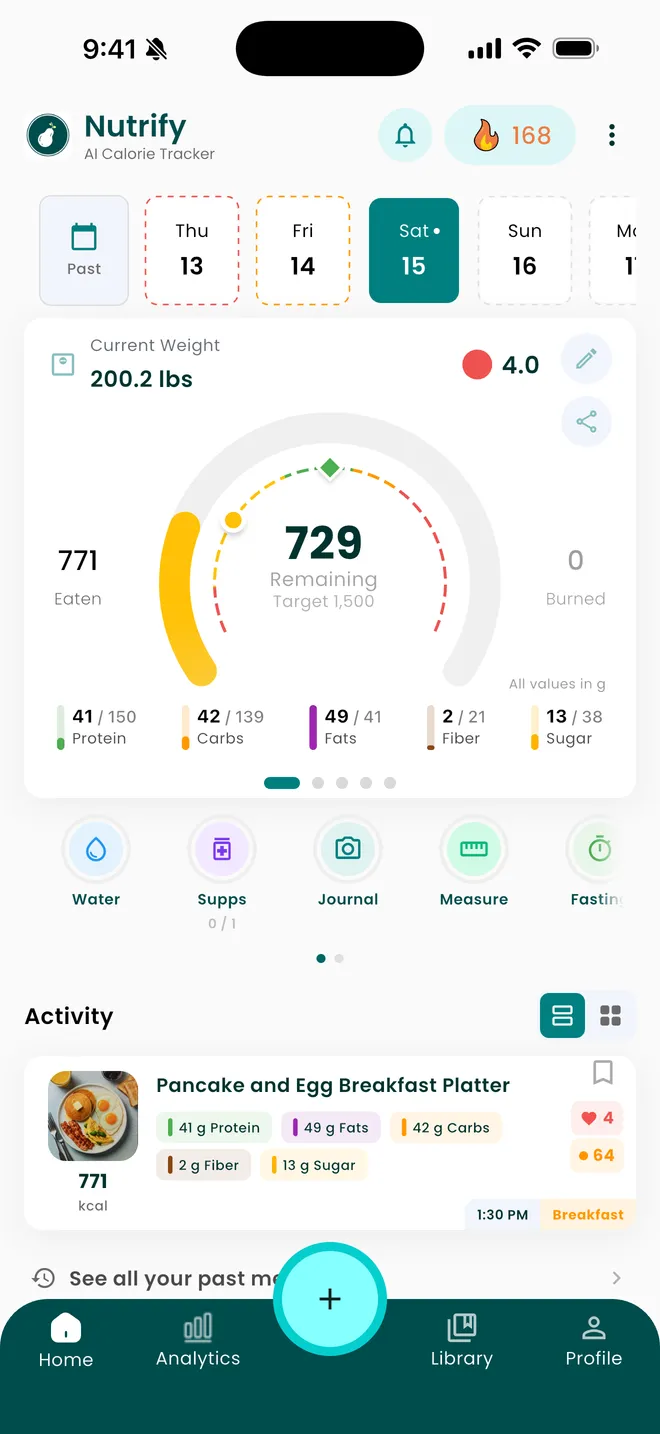
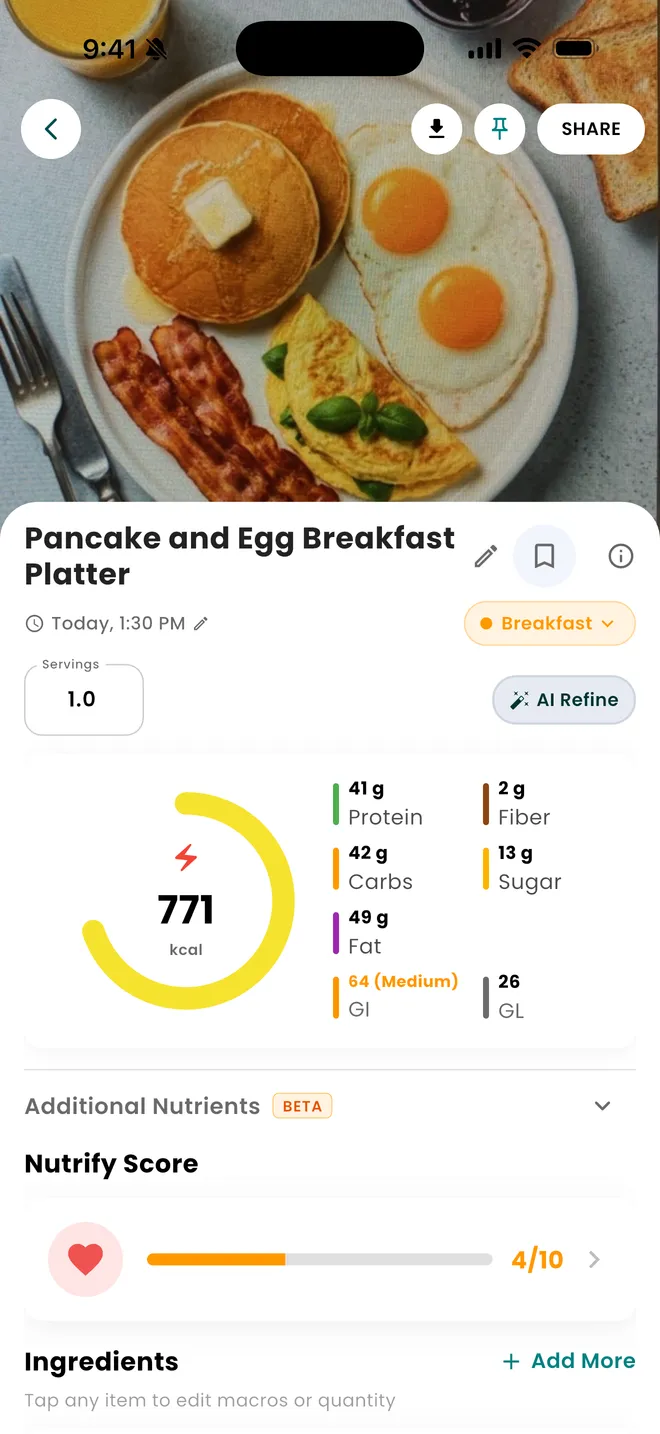
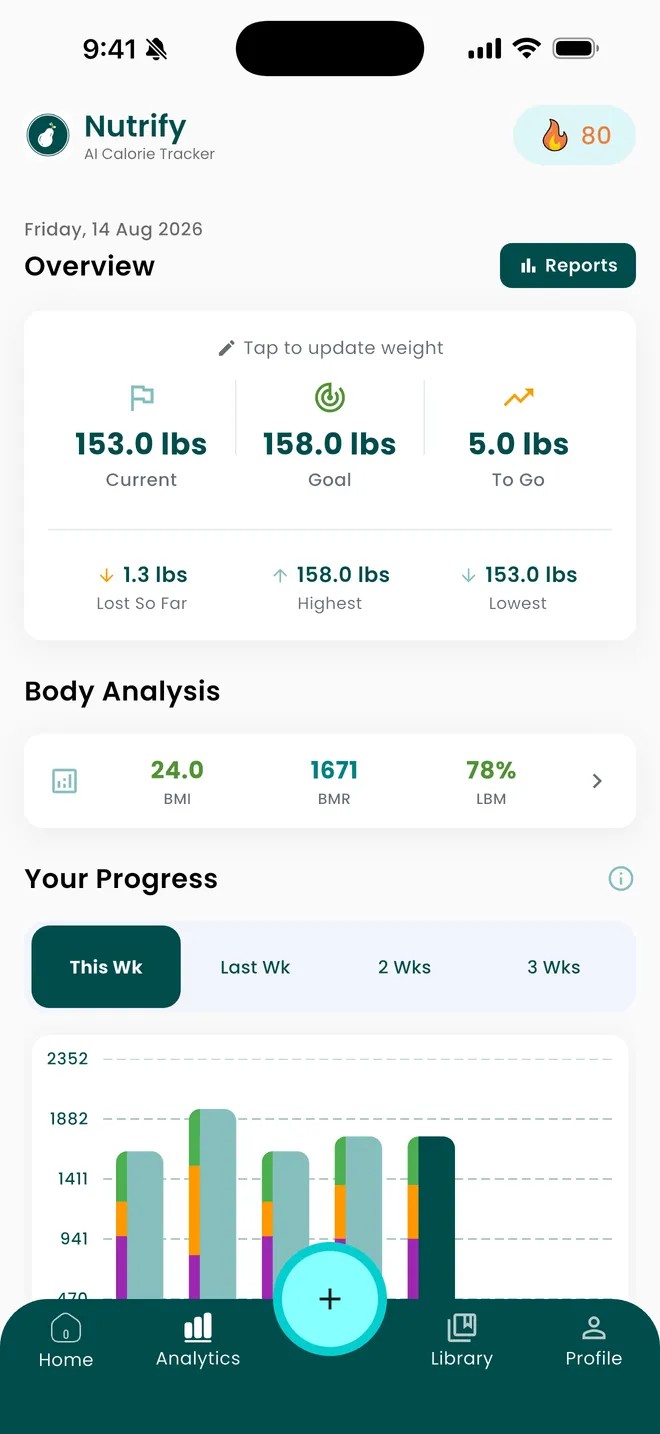
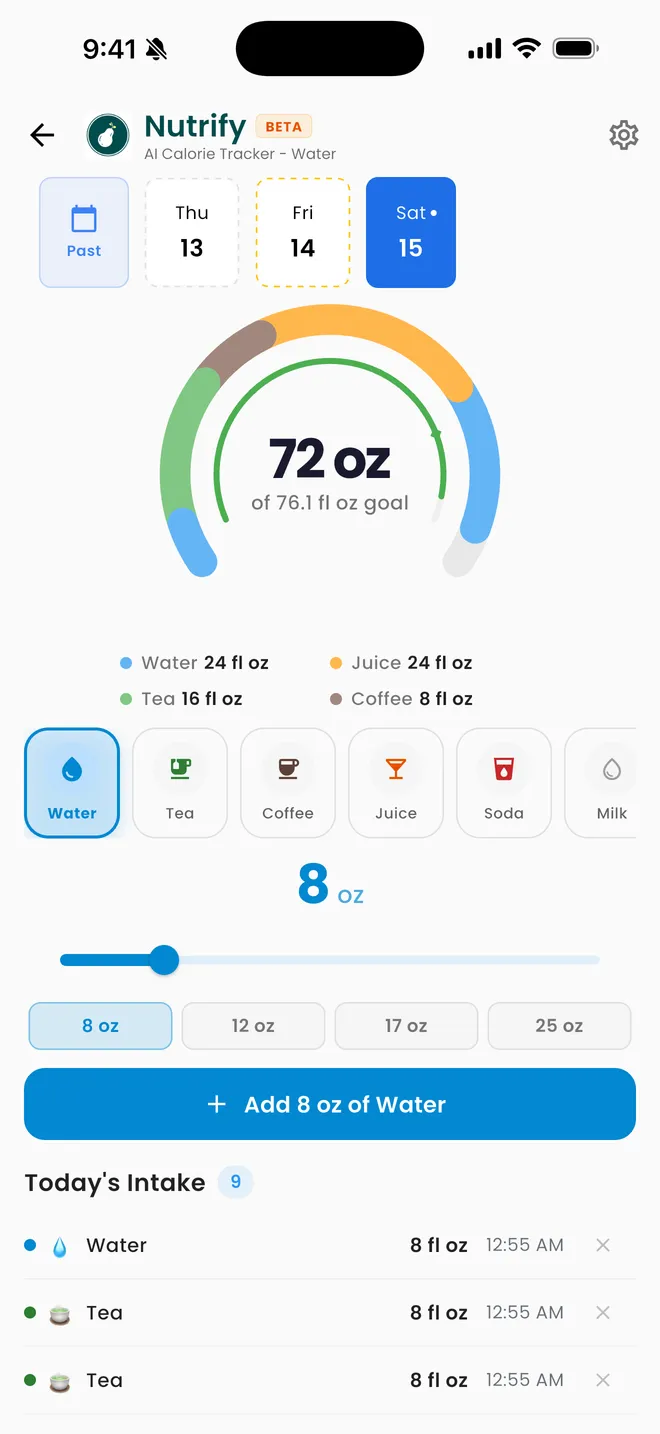
Food, supplements, fasting, and progress in one app


Learn More About Calories Burned
Calories Burned Calculator: Estimate Energy Expenditure for 60+ Activities
Calculate calories burned during exercise and daily activities using our comprehensive calculator. This evidence-based tool uses Metabolic Equivalent of Task (MET) values to accurately estimate calorie burn based on your weight, activity type, and duration.
Whether you're walking, running, swimming, or doing strength training, understanding calories burned helps you:
- Track your exercise intensity and effectiveness
- Plan workouts to meet specific calorie-burning goals
- Compare different activities' energy expenditure
- Make informed decisions about your fitness routine
Our calculator accounts for key factors affecting calories burned, including body weight, exercise intensity, duration, and specific activity characteristics like speed and incline.
Explore detailed MET values for various activities, from light-intensity exercises (2-3 METs) to vigorous workouts (6+ METs), and learn how different factors influence your calorie burn.
Activity Intensity Levels
| Intensity Level | MET Range | Example Activities |
|---|---|---|
| Light | 2.0-3.9 | Walking slowly, light housework, stretching |
| Moderate | 4.0-5.9 | Brisk walking, cycling leisurely, light swimming |
| Vigorous | 6.0+ | Running, swimming laps, basketball game |
Calculation Method
The calculator uses the following formula to estimate calories burned:
Calories Burned = MET × Weight (kg) × Time (hours)
For example, if a 70 kg person runs for 30 minutes at 6 METs:
Calories = 6 × 70 × 0.5 = 210 calories
Common Activities MET Values
* Calorie examples calculated for a 70.0kg person doing the activity for 30 minutes
| Category | Activity | MET Value | Calories/30min* |
|---|---|---|---|
| Aerobic Activities | Walking (2.0-2.5 mph) | 2.5 | 88 |
| Walking (2.6-3.0 mph) | 3.0 | 105 | |
| Walking (3.1-3.5 mph) | 3.5 | 123 | |
| Walking (3.6-4.0 mph) | 4.0 | 140 | |
| Walking (4.1-4.5 mph) | 4.5 | 158 | |
| Walking Uphill (0-5%) | 3.5 | 123 | |
| Walking Uphill (6-10%) | 5.3 | 186 | |
| Walking Uphill (11-15%) | 7.0 | 245 | |
| Running (4.0-5.0 mph) | 6.0 | 210 | |
| Running (5.1-6.0 mph) | 8.3 | 291 | |
| Running (6.1-7.0 mph) | 9.8 | 343 | |
| Running (7.1-8.0 mph) | 11.0 | 385 | |
| Running (8.1-9.0 mph) | 11.8 | 413 | |
| Running (9.1-10.0 mph) | 12.8 | 448 | |
| Cycling (10-12 mph) | 6.0 | 210 | |
| Sports | Basketball (game) | 8.0 | 280 |
| Basketball (shooting) | 4.5 | 158 | |
| Tennis (singles) | 8.0 | 280 | |
| Tennis (doubles) | 6.0 | 210 | |
| Volleyball | 4.0 | 140 | |
| Daily Activities | General Housework | 3.3 | 116 |
| Gardening | 3.8 | 133 | |
| Mowing Lawn | 5.5 | 193 | |
| Water Activities | Swimming (freestyle, moderate) | 7.0 | 245 |
| Swimming (backstroke) | 7.0 | 245 | |
| Water Jogging | 5.5 | 193 | |
| Conditioning | Weight Lifting (vigorous) | 6.0 | 210 |
| Yoga | 3.0 | 105 | |
| Pilates | 3.5 | 123 | |
| Winter Activities | Skiing (downhill, moderate) | 5.3 | 186 |
| Cross-country Skiing | 7.0 | 245 | |
| Ice Skating | 5.5 | 193 | |
| Occupation | Office Work (seated) | 1.5 | 53 |
| Light Factory Work | 2.5 | 88 | |
| Construction (general) | 4.0 | 140 | |
| Heavy Manual Labor | 6.5 | 228 |
Factors Affecting Calorie Burn
Individual Factors
- Body weight and composition
- Muscle mass percentage
- Age and gender
- Metabolic rate
- Fitness level
Exercise Factors
- Exercise intensity
- Duration of activity
- Type of exercise
- Terrain and environment
- Rest periods
Daily Calorie Needs
Average daily calorie needs vary by gender and activity level according to FAO/WHO/UNU guidelines:
Men
2,200–3,000 calories per day 1
Women
1,600–2,200 calories per day 1
1 According to the USDA Dietary Reference Intakes
Physical Activity Guidelines
According to the World Health Organization (WHO) guidelines:
- Adults (18-64 years): At least 150-300 minutes of moderate-intensity or 75-150 minutes of vigorous-intensity aerobic activity per week
- Additional health benefits can be gained by increasing activity beyond these recommendations
- Include muscle-strengthening activities at moderate or greater intensity 2 or more days a week
Role of Muscle Mass
According to research published in the Journal of Applied Physiology, muscle mass significantly impacts calorie burning because:
- Muscle tissue is more metabolically active than fat tissue
- Higher muscle mass leads to increased calorie burn even at rest
- Weight training can help increase long-term metabolic rate
- More muscle mass means higher energy requirements during exercise
Tips for Effective Calorie Burning
- Combine cardio exercises with strength training for optimal results
- Gradually increase intensity and duration to avoid injury and improve endurance
- Stay hydrated before, during, and after exercise
- Include a mix of different activities to prevent boredom and work different muscle groups
- Allow adequate rest and recovery between intense workout sessions
When to See a Doctor
While this calculator provides useful estimates, consult a healthcare provider if:
- You experience chest pain, shortness of breath, or dizziness during exercise
- You are starting an exercise program after a long period of inactivity or a medical event
- You have a chronic illness that may affect your ability to exercise safely
Frequently Asked Questions
常見問題
尋找常見問題的解答
A 155-pound (70kg) person burns approximately 100-175 calories walking for 30 minutes, depending on speed. Walking at a casual pace (2.5 mph) burns about 88 calories, brisk walking (3.5 mph) burns about 123 calories, and power walking (4.5 mph) burns about 158 calories. Heavier individuals burn more calories, and walking uphill or on uneven terrain increases calorie burn significantly.
Running at 8-10 mph burns the most calories at approximately 400-500 calories per 30 minutes for an average person. Other high-calorie-burning exercises include jump rope (370-450 cal/30 min), swimming laps vigorously (350-400 cal/30 min), HIIT training (300-450 cal/30 min), and cycling at high intensity (300-400 cal/30 min). The best exercise for you is one you enjoy and can do consistently.
Calories burned are calculated using the MET formula: Calories = MET value x body weight in kg x time in hours. MET (Metabolic Equivalent of Task) represents the energy cost of an activity compared to resting. For example, running at 6 mph has a MET of 9.8, so a 70kg person running for 30 minutes burns 9.8 x 70 x 0.5 = 343 calories. Your actual burn may vary based on fitness level and intensity.
Walking 10,000 steps burns approximately 300-500 calories depending on your weight, pace, and terrain. For a 155-pound person walking at moderate pace, 10,000 steps (roughly 4-5 miles) burns about 350-400 calories. Heavier individuals burn more per step, and walking faster or uphill can increase the total burn by 20-50%. This is a great daily activity goal for general health and weight management.
Your body burns 1,200-2,000 calories per day at complete rest through your Basal Metabolic Rate (BMR), which covers breathing, circulation, cell production, and brain function. The exact number depends on your age, gender, weight, and muscle mass. Men typically burn 1,500-2,000 calories at rest, while women burn 1,200-1,600 calories. This accounts for 60-75% of your total daily calorie expenditure.
MET (Metabolic Equivalent of Task) is a measure of the energy cost of physical activities. One MET equals the energy expended while sitting quietly (approximately 1 kcal/kg/hour). A 4 MET activity expends 4 times the energy used by the body at rest.
This calculator provides estimates based on average MET values and uses the standard formula: Calories Burned = MET × Weight (kg) × Time (hours). Individual results may vary based on factors like fitness level, age, gender, and exercise intensity.
A person who weighs more will burn more calories doing the same activity because it requires more energy to move a heavier body. This is why the calculator takes your weight into account when calculating calories burned.
METs are used to compare the intensity of different activities and estimate energy expenditure. They help in exercise prescription, research, and public health guidelines. The CDC and WHO use METs to classify physical activity intensity levels.
You can increase calories burned by: 1) Increasing exercise duration, 2) Choosing higher intensity activities with higher MET values, 3) Adding intervals of high-intensity exercise, 4) Incorporating strength training to build muscle mass, and 5) Staying consistent with your exercise routine.
Muscle tissue is more metabolically active than fat tissue, meaning it burns more calories even at rest. People with higher muscle mass typically burn more calories during both exercise and rest periods, contributing to a higher daily caloric expenditure.
Yes, factors like temperature, humidity, altitude, and terrain can affect how many calories you burn. For example, exercising in cold weather or at high altitudes typically burns more calories as your body works harder to maintain its core temperature or adapt to lower oxygen levels.
用Nutrify重塑健康習慣
一站式AI營養管理,追蹤卡路里、記錄飲食、管理食譜。遇見更健康的自己。
- •AI智慧辨識食物,輕鬆追蹤卡路里
- •個人化飲食計畫與食譜推薦
- •進度追蹤與健康洞察
More than a calorie counter
Food, supplements, fasting, and progress in one app
在 Google 上追蹤 Nutrify
將 Nutrify 加入偏好來源,在 Google 搜尋結果中看到更多我們的營養指南。