
Waist-to-Hip Ratio (WHR) Calculator
Trasforma le Tue Abitudini con Nutrify
La tua soluzione completa basata sull'IA per monitorare calorie, pasti e ricette. Un te più sano e felice.
- •Monitoraggio calorie senza sforzo con riconoscimento alimentare IA
- •Piani pasto e ricette personalizzati
- •Monitoraggio progressi e approfondimenti


More than a calorie counter
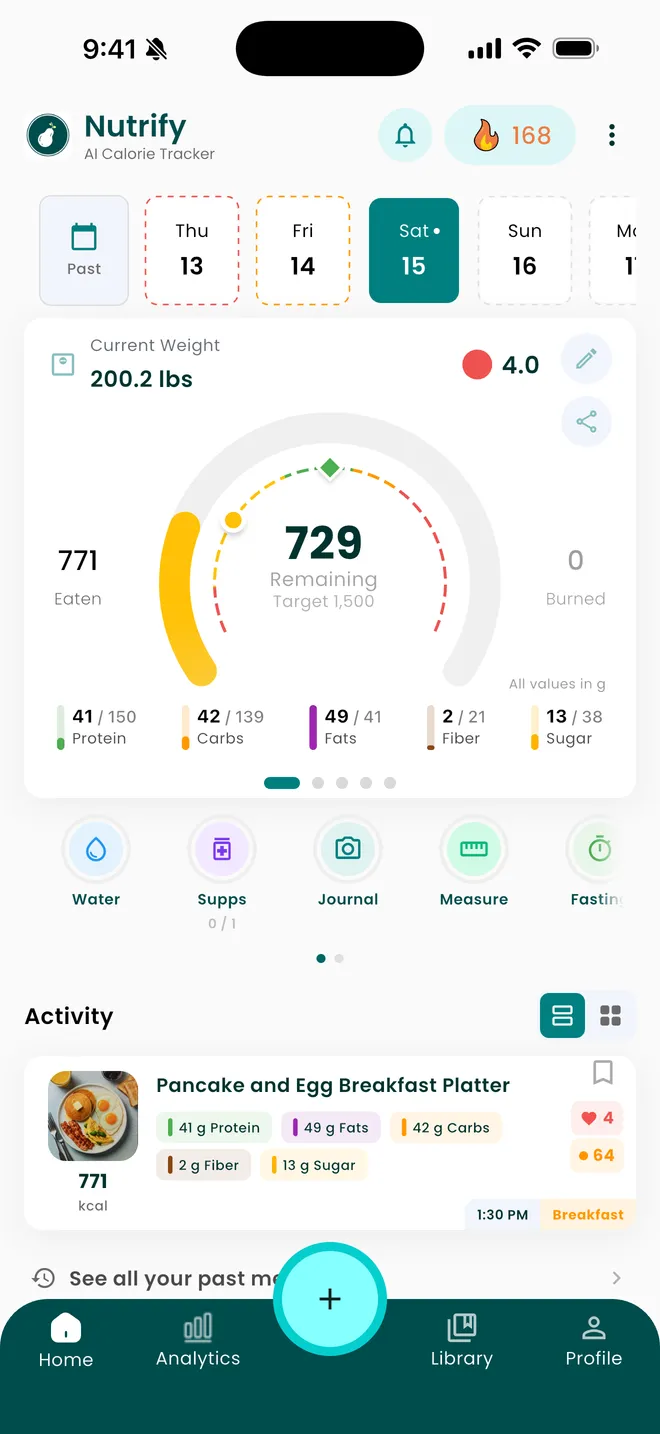
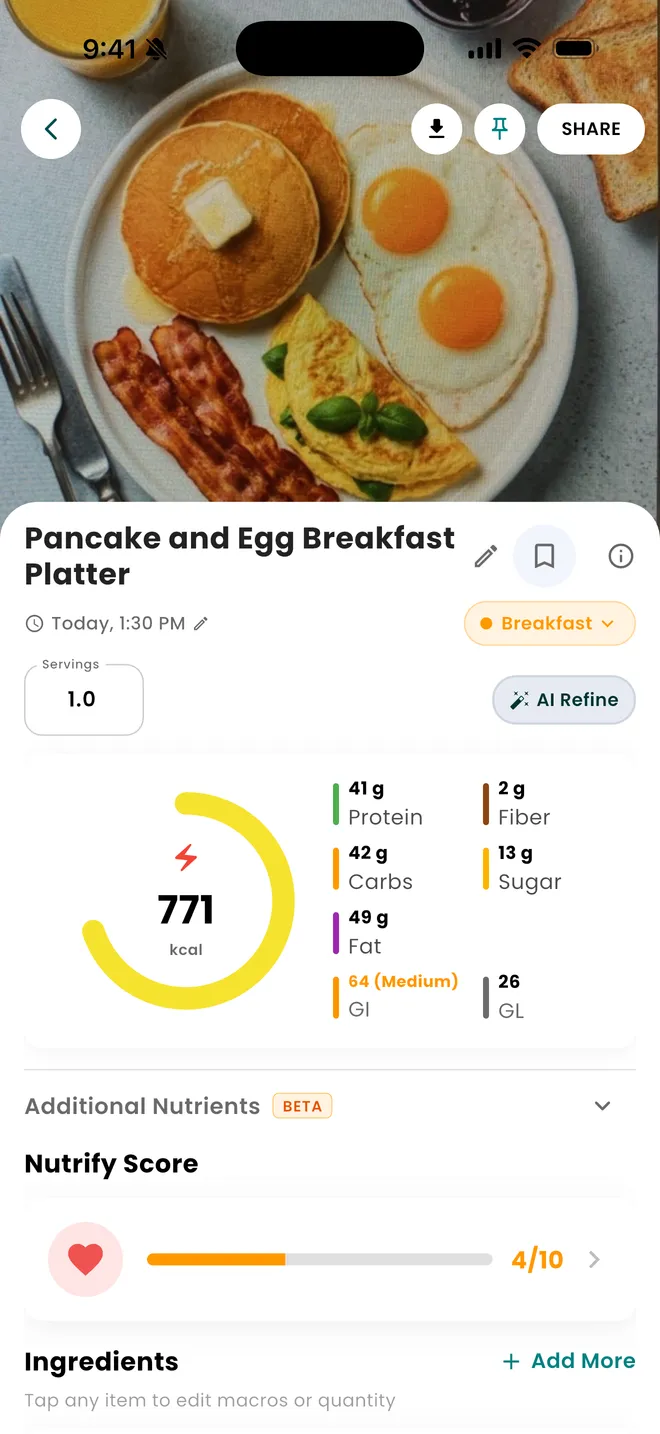
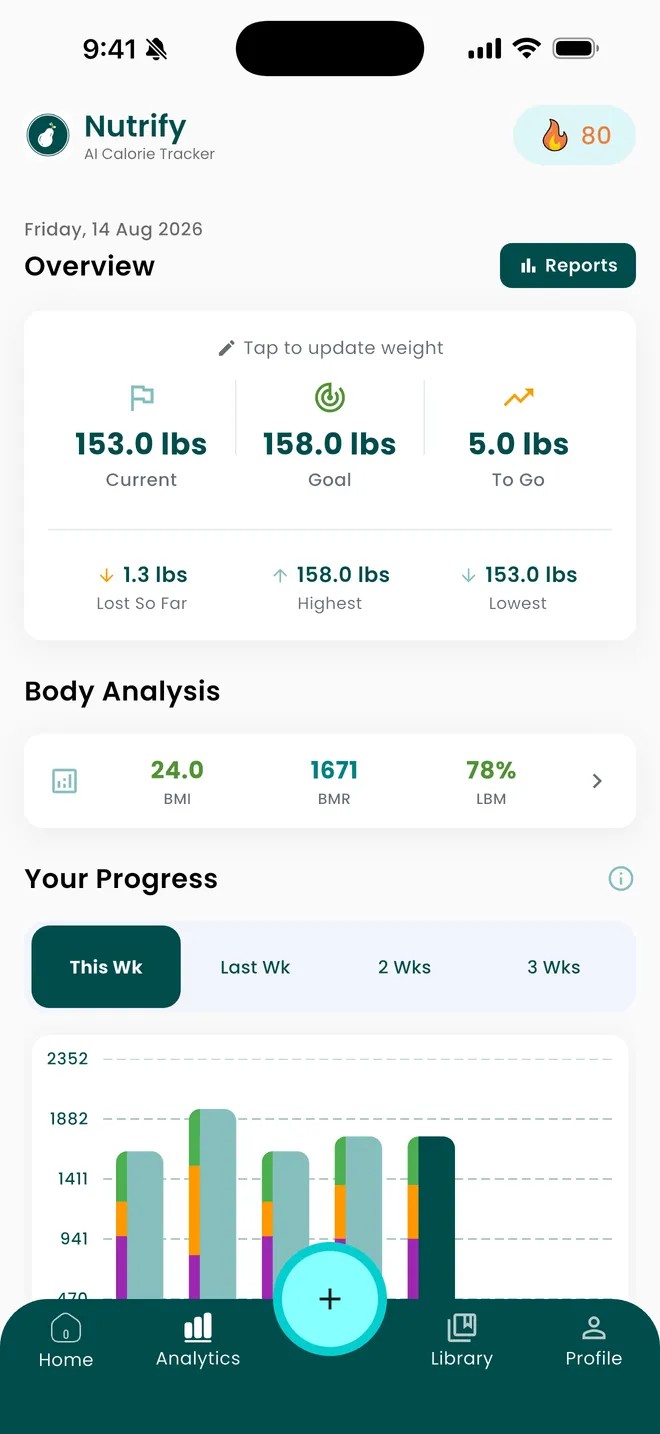
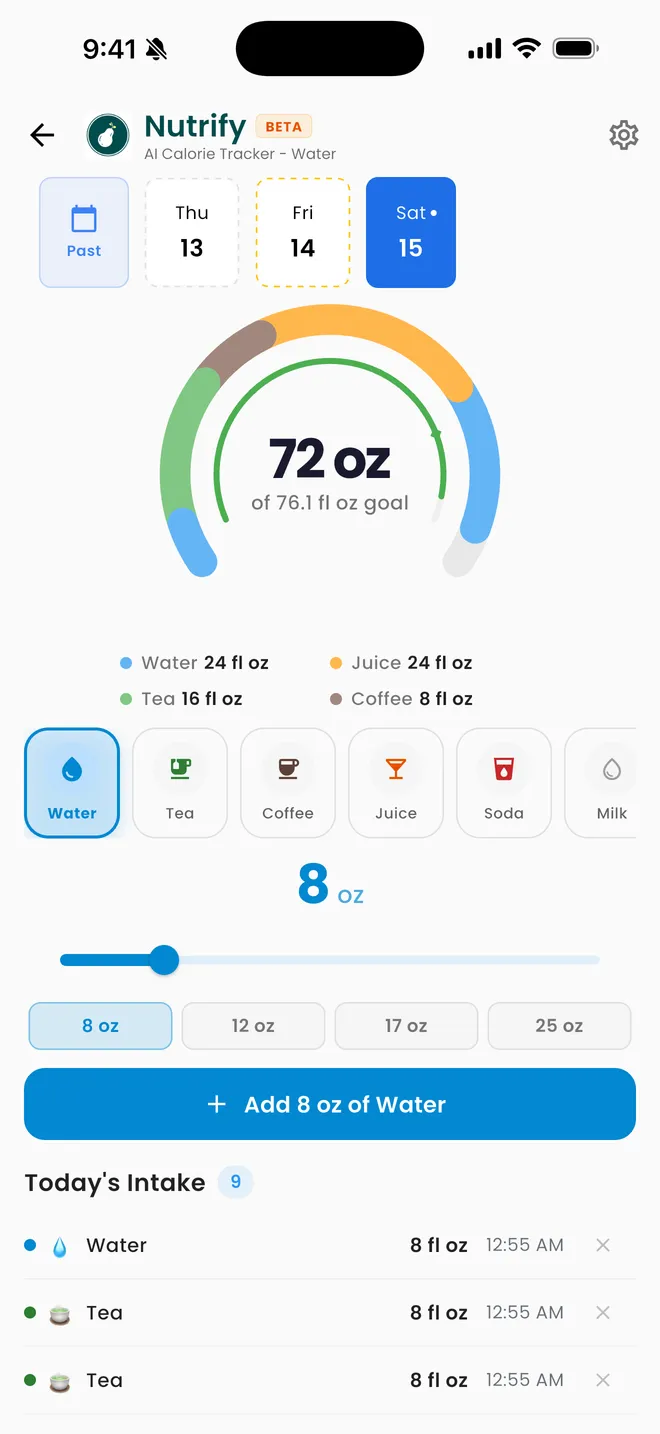
Food, supplements, fasting, and progress in one app



Learn More About WHR
Waist-to-Hip Ratio (WHR) Calculator: Measure Your Body Fat Distribution
The Waist-to-Hip Ratio (WHR) is a scientifically validated measurement that helps assess your risk for obesity-related health conditions. This simple yet powerful tool provides insights into how your body fat is distributed, which is crucial for understanding potential health risks.
Unlike BMI, which measures overall body mass, WHR specifically focuses on abdominal obesity - a key indicator of metabolic health. According to the World Health Organization (WHO), where your body stores fat is just as important as how much fat you carry.
How to Use This Calculator
- Select your biological sex (default is female)
- Measure your waist at the narrowest point, usually around the belly button
- Measure your hips at the widest point across your buttocks
- Enter these measurements in your preferred unit (inches or centimeters)
- Click Calculate WHR to see your results
Understanding Your Results
Your WHR result will fall into one of three categories: Healthy, Overweight, or Obese. These categories are based on WHO guidelines and differ for men and women due to natural variations in body composition.
Women's WHR Categories
| WHR Range | Category | Health Risk |
|---|---|---|
| 0.80 or below | Healthy | Low Risk |
| 0.81 to 0.85 | Overweight | Moderate Risk |
| Above 0.85 | Obese | High Risk |
Men's WHR Categories
| WHR Range | Category | Health Risk |
|---|---|---|
| 0.95 or below | Healthy | Low Risk |
| 0.96 to 1.0 | Overweight | Moderate Risk |
| Above 1.0 | Obese | High Risk |
Example Calculation
Example: Waist (29 inches) ÷ Hip (40 inches) = WHR of 0.725, which indicates a healthy category for women.
Health Implications and Research
Scientific research has established strong connections between WHR and various health conditions:
- Cardiovascular Disease: Higher WHR is associated with increased risk of heart disease and stroke.American Heart Association: Circulation. 2020;141:e139–e596
- Type 2 Diabetes: People with elevated WHR have a higher risk of developing insulin resistance and diabetes.Diabetes Care. 2019;42(7):1209-1216
- Metabolic Syndrome: WHR is a reliable predictor of metabolic syndrome components.WHO Technical Report Series on Waist Circumference and Waist-Hip Ratio
Limitations and Considerations
While WHR is a valuable tool, it has some limitations:
- May not be suitable for pregnant women or people with certain medical conditions
- Accuracy depends on correct measurement technique
- Should be used alongside other health metrics for a complete assessment
- May not account for natural body shape variations
Related Tools
For a more comprehensive understanding of your body composition, consider using our other calculators:
- Body Fat Calculator - Estimate your total body fat percentage
- BMI Calculator - Calculate your Body Mass Index
When to See a Doctor
While this calculator provides useful estimates, consult a healthcare provider if:
- Your waist-to-hip ratio falls in the high-risk category
- You carry significant abdominal fat and have a family history of cardiovascular disease
- You notice rapid changes in your waist circumference without lifestyle changes
Frequently Asked Questions
Domande Frequenti
Trova le risposte alle domande più comuni
WHR is a crucial measurement used to assess obesity and related health risks. According to WHO, abdominal obesity is defined as a WHR of 0.90 or more for men and 0.85 or more for women. A WHR greater than 1.0 indicates significantly increased health risks such as heart disease and type 2 diabetes. Some studies suggest WHR is a better predictor of these health risks than BMI.
WHR measures fat distribution in the body, with abdominal obesity being associated with higher risks of heart disease, type 2 diabetes, hypertension, and certain cancers. A WHR of 0.90+ for men and 0.85+ for women signifies abdominal obesity and is considered a significant health risk.
According to WHO guidelines, for men, a WHR less than 0.90 is considered healthy, while for women, a WHR less than 0.85 is deemed healthy. Lower values within these ranges generally indicate less abdominal fat and lower health risks.
A WHR of around 0.7 is often associated with a "curvy" or "hourglass" figure for women, meaning the waist is about 70% of the hip circumference. However, this is an aesthetic consideration rather than a health metric, and healthy body shapes vary widely.
Challenges include difficulty in accurate measurements, variability in fat distribution, age and gender variations, and the fact that WHR doesn't account for overall body composition. Additionally, WHR may not correlate as well with certain health risks as other measurements.
For waist measurement: Stand straight and locate the narrowest part of your waist, typically above your belly button. For hip measurement: Measure around the widest part of your buttocks. Ensure the measuring tape is horizontal and snug but not tight against your body. Take measurements while standing relaxed and breathing normally.
To calculate WHR, divide your waist measurement by your hip measurement. For example, if your waist is 29 inches and hips are 40 inches, your WHR would be 29/40 = 0.725.
The calculator takes your waist and hip measurements, converts them to the same unit if necessary, then divides the waist measurement by the hip measurement. It then compares your result to WHO guidelines to determine your health risk category based on your gender.
Trasforma le Tue Abitudini con Nutrify
La tua soluzione completa basata sull'IA per monitorare calorie, pasti e ricette. Un te più sano e felice.
- •Monitoraggio calorie senza sforzo con riconoscimento alimentare IA
- •Piani pasto e ricette personalizzati
- •Monitoraggio progressi e approfondimenti
More than a calorie counter
Food, supplements, fasting, and progress in one app
Parameter Details
- Gender: Biological sex, affects WHR risk categories
- Waist Circumference: Measure at narrowest point (20-60 inches)
- Hip Circumference: Measure at widest point (25-70 inches)
Related Calculators
- Body Shape Calculator - Determine Your Body Type
- Body Fat Calculator - Estimate Your Body Fat Percentage
- Body Mass Index (BMI) Calculator
- Ideal Weight Calculator | What Should I Weigh?
Segui Nutrify su Google
Aggiungi Nutrify tra le fonti preferite per vedere più guide sulla nutrizione nei tuoi risultati Google.