
Body Recomposition Calculator
Nutrify로 습관을 바꾸세요
칼로리, 식사, 레시피를 한 번에 관리하는 AI 기반 솔루션. 더 건강하고, 더 행복한 나.
- •AI 음식 인식으로 손쉬운 칼로리 관리
- •맞춤형 식단 플랜 및 레시피
- •진행 상황 추적 및 인사이트


More than a calorie counter
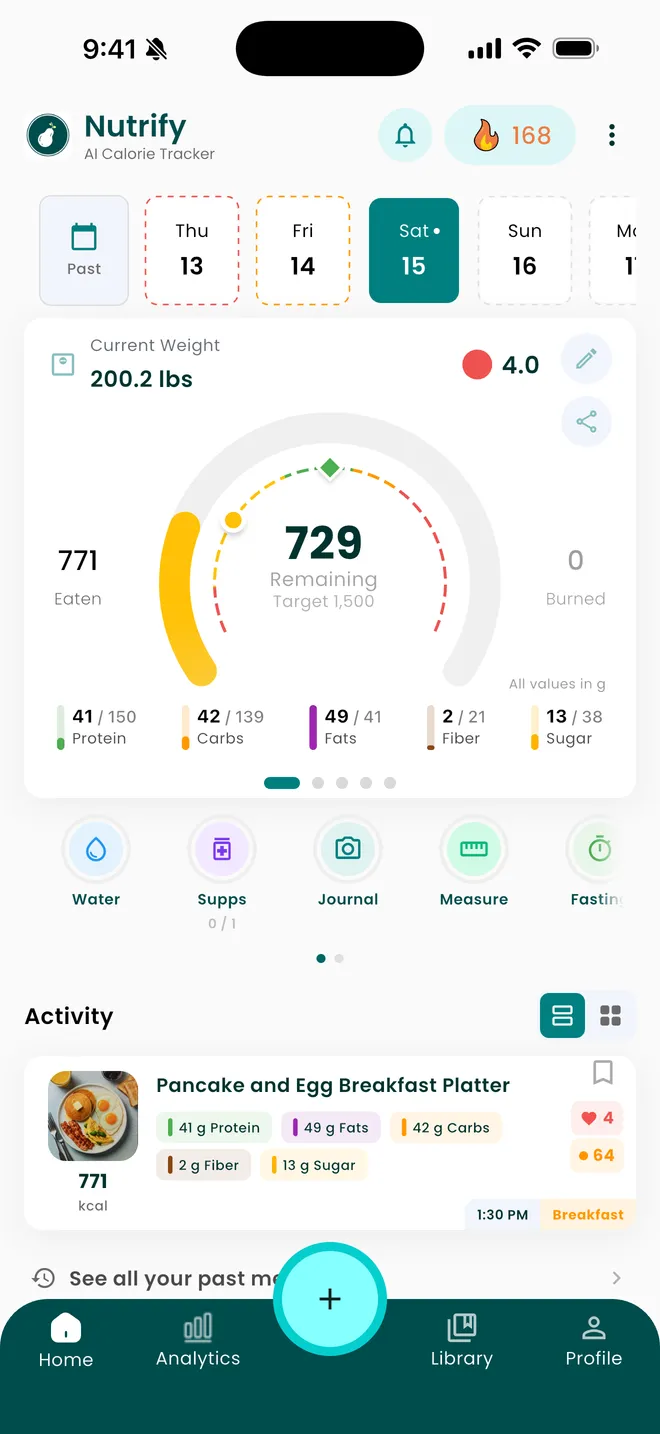
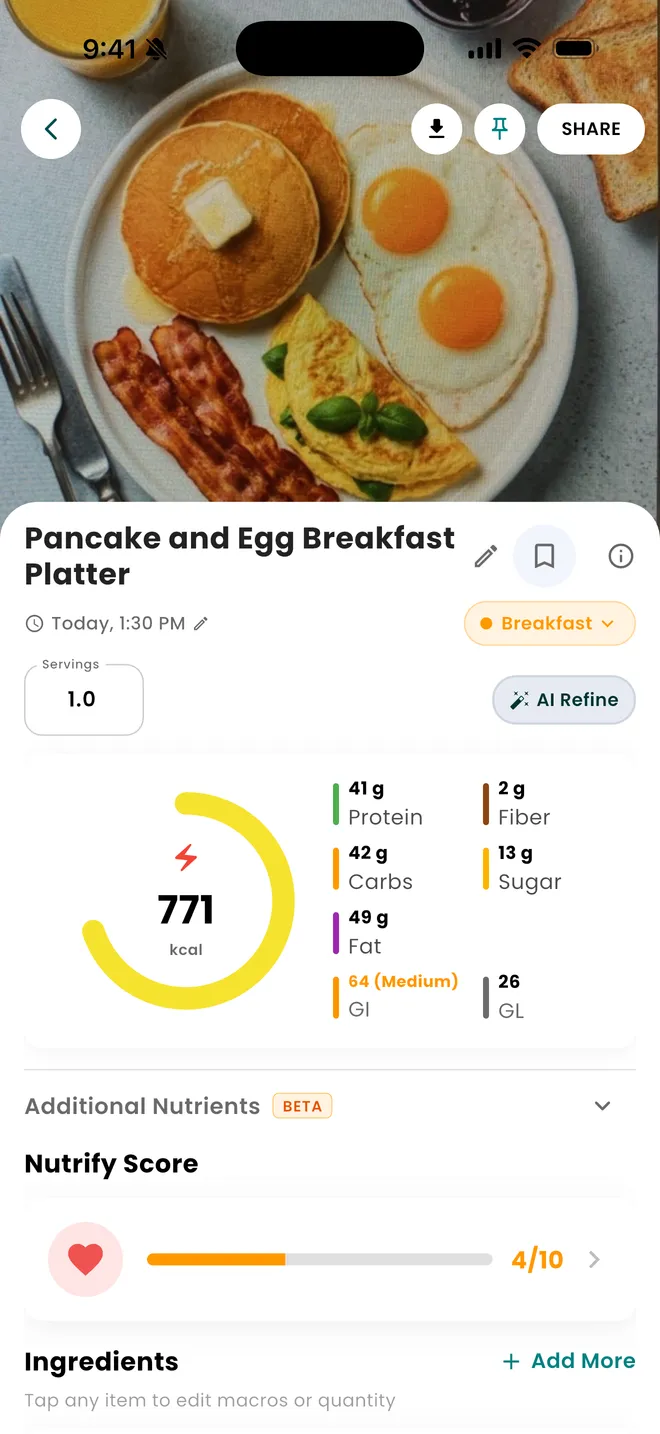
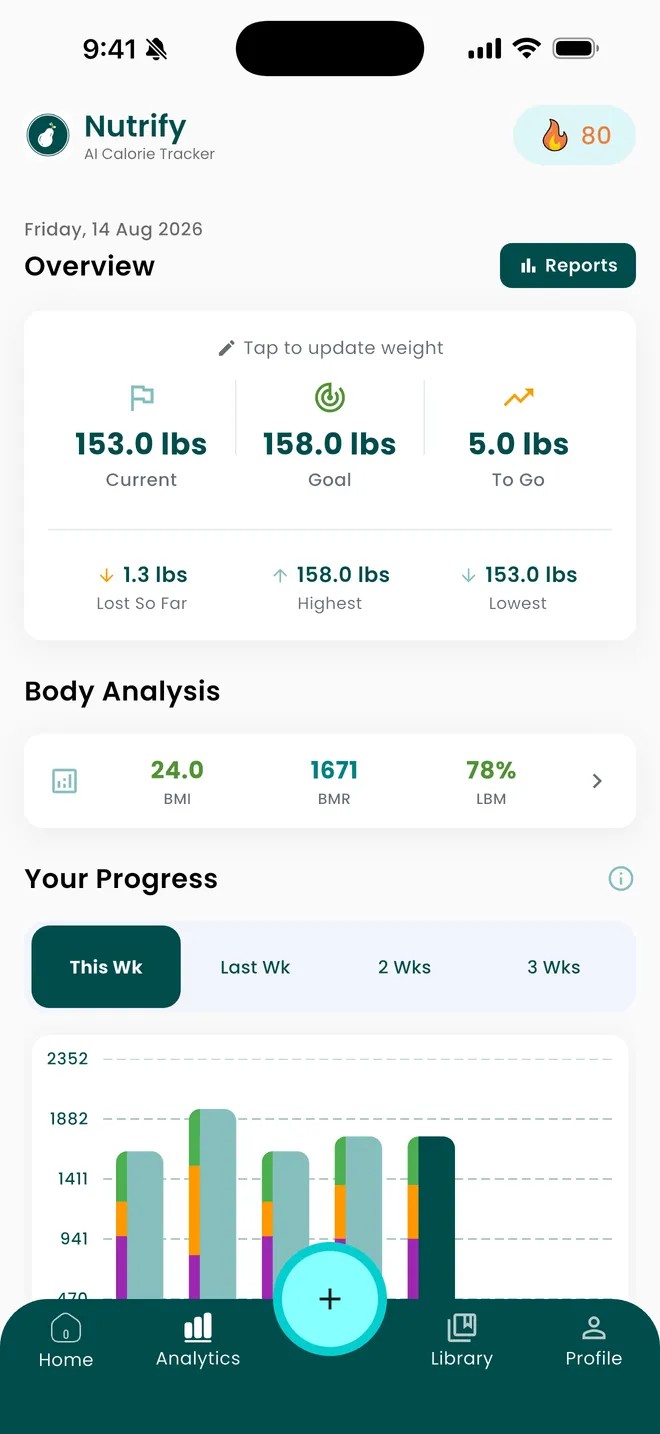
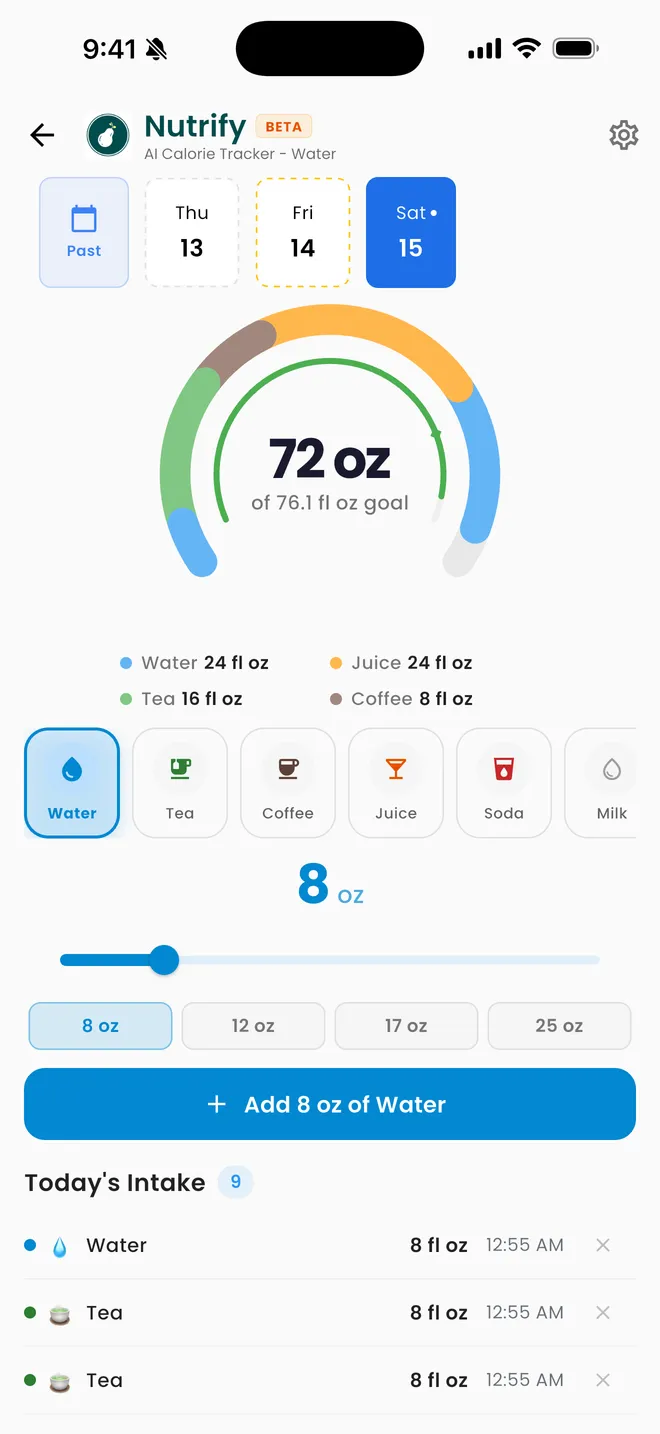
Food, supplements, fasting, and progress in one app


Learn More About Body Recomposition
What Is Body Recomposition?
Body recomposition (often called "recomp") is the process of simultaneously losing body fat and gaining lean muscle mass. Unlike traditional approaches that separate bulking (gaining muscle with some fat) and cutting (losing fat with some muscle loss), body recomposition aims to improve your overall body composition without dramatic changes in body weight.
Think of it this way: if you weigh 180 pounds at 25% body fat, a successful recomp might leave you at 180 pounds but at 18% body fat. The scale does not change, but you look completely different - more muscular, leaner, and more defined. You have replaced fat with muscle, fundamentally changing how your body looks and performs.
The concept challenges the old-school belief that you must be in a calorie surplus to build muscle and a calorie deficit to lose fat. Modern research shows that under the right conditions - adequate protein, progressive resistance training, and strategic calorie management - your body can do both simultaneously. The energy for muscle growth can partially come from stored body fat, especially in certain populations.
How Body Recomp Differs from Traditional Bulking and Cutting
Understanding the key differences helps you decide which approach is right for your goals:
| Factor | Body Recomp | Bulk/Cut Cycle |
|---|---|---|
| Calorie Approach | Near maintenance with cycling | Surplus (bulk) then deficit (cut) |
| Speed of Results | Slower but steady | Faster for each individual goal |
| Weight Change | Minimal scale change | Significant ups and downs |
| Sustainability | Highly sustainable long-term | Requires disciplined phases |
| Comfort Level | Stay comfortable year-round | Uncomfortable during bulk and cut |
| Best For | Beginners, lifestyle-focused | Competitive athletes, advanced |
Which Should You Choose?
If you are new to lifting, carrying excess body fat, returning to training after a break, or simply want to look and feel better without extreme dieting - body recomposition is your best choice. Bulk/cut cycles are more suited for advanced lifters who have already built a significant base and want to maximize muscle gain at a faster rate. Most recreational lifters will get excellent long-term results from recomp.
Who Is Best Suited for Body Recomp?
Body recomposition works for almost everyone, but certain groups see the most dramatic results:
Beginners (Less Than 1 Year of Lifting)
Beginners experience "newbie gains" - a phenomenon where untrained muscles are hyper-responsive to resistance training. They can build muscle at 2-3x the rate of experienced lifters, even in a calorie deficit. A beginner can realistically gain 1.5-2.5 pounds of muscle per month while losing 2-4 pounds of fat per month. This is the golden window for body recomposition, and it lasts approximately 6-12 months.
Overweight Individuals (Higher Body Fat %)
People with higher body fat have more stored energy available to fuel muscle growth. Research shows that individuals above 25% body fat (men) or 32% body fat (women) can successfully build muscle while in a significant calorie deficit because their body can readily mobilize fat stores for energy. The more fat you carry, the easier it is to recomp in the early stages.
Returning Lifters (Muscle Memory)
If you previously trained consistently but took time off, you have a significant advantage. Muscle memory is real - your muscle nuclei (myonuclei) persist even after muscle atrophy. When you return to training, these nuclei allow much faster muscle regrowth. A returning lifter can rebuild lost muscle 2-3x faster than building it the first time, making body recomposition highly effective during this rebuilding phase.
Intermediate Lifters Seeking a Sustainable Approach
Intermediate lifters (1-3 years of training) can still achieve recomp, though at a slower rate than beginners. The trade-off is sustainability - rather than cycling between feeling overfull during a bulk and starving during a cut, recomp allows you to maintain a comfortable baseline year-round while making gradual, consistent improvements to your physique. Many lifters find this approach far more enjoyable and sustainable long-term.
The Science Behind Calorie Cycling
Calorie cycling is the cornerstone of an effective body recomposition strategy. Rather than eating the same number of calories every day, you strategically vary your intake based on your training schedule. This approach leverages your body's natural metabolic responses to optimize both muscle growth and fat loss.
Training Day Strategy (Slight Surplus)
On days you lift weights, eat 5-10% above your TDEE. The extra calories - primarily from carbohydrates - serve several critical purposes:
- Replenish muscle glycogen depleted during training for better performance
- Provide the anabolic stimulus needed to support muscle protein synthesis
- Elevate insulin levels strategically to shuttle nutrients into muscle cells
- Support post-workout recovery and adaptation processes
Rest Day Strategy (Moderate Deficit)
On rest days, eat 10-15% below your TDEE. With lower energy demands and no acute training stimulus, your body can more effectively mobilize fat stores:
- Lower insulin from reduced carb intake promotes fatty acid mobilization
- Higher fat intake supports hormone production and satiety
- The mild deficit drives fat oxidation without compromising muscle recovery
- Protein remains high to prevent muscle protein breakdown
The Weekly Balance
With 4 training days and 3 rest days, your weekly calorie average lands near or slightly below maintenance. This creates the "sweet spot" where your body has enough total energy to support muscle growth (primarily on training days) while the periodic deficits drive fat loss (primarily on rest days). Research by Barakat et al. (2020) supports this approach, showing that trained individuals can achieve simultaneous improvements in lean mass and fat mass when protein is sufficiently high and training stimulus is adequate.
Key Research Insight:
A 2020 systematic review published in Strength and Conditioning Journal found that body recomposition is not only possible but "may be more common than previously thought." The review identified high protein intake (greater than 1.6g/kg/day) and resistance training as the two most critical factors for successful recomposition, regardless of overall calorie balance.
Optimal Protein Intake for Recomp
Protein is the single most important nutritional factor for body recomposition. While the standard recommendation for active individuals is 0.7-0.8g per pound, recomp requires significantly more to simultaneously support muscle growth and preserve lean mass during rest-day deficits.
| Experience Level | Protein Target | Example (170 lb) | Rationale |
|---|---|---|---|
| Beginner | 1.0g per lb | 170g/day | Maximizes newbie gains while supporting fat loss |
| Intermediate | 1.1g per lb | 187g/day | Extra protein helps preserve muscle as gains slow |
| Advanced | 1.2g per lb | 204g/day | Maximum anti-catabolic protection for experienced lifters |
Daily Protein Distribution for Recomp
Spread your protein across 4-5 meals, with 30-40g per meal. Research shows that spacing protein intake every 3-4 hours maximizes muscle protein synthesis rates. A sample day might look like: Meal 1 (35g), Meal 2 (40g), Meal 3 (35g), Meal 4 (40g), and a pre-bed snack (20g from casein or cottage cheese). The pre-bed protein helps sustain muscle protein synthesis during your overnight fast.
Protein Stays the Same Every Day
Unlike carbs and fats, which cycle between training and rest days, your protein intake should remain constant. Muscle protein synthesis and repair happen 24-48 hours after training, meaning your muscles need protein on rest days just as much as training days. Never cut protein to reduce calories on rest days - instead, adjust carbs and fats.
Training Recommendations for Body Recomp
Your training program is the stimulus that tells your body to build muscle. Without proper training, the extra protein and calorie cycling will not produce recomp results. Here is what the research supports:
Frequency: 3-5 Sessions Per Week
Train each muscle group 2x per week for optimal growth. A 4-day upper/lower split or a push/pull/legs rotation works best. Beginners can start with 3 full-body sessions. More is not always better - recovery is when muscles actually grow. Allow at least 48 hours between sessions targeting the same muscle group.
Exercise Selection: Compound First
Build your workouts around compound movements that work multiple muscle groups: squats, deadlifts, bench press, overhead press, barbell rows, pull-ups, and lunges. These exercises recruit the most muscle fibers and produce the greatest hormonal response. Follow with 2-3 isolation exercises (curls, lateral raises, tricep pushdowns) to target specific areas.
Rep Ranges: The Hypertrophy Sweet Spot
Perform most sets in the 6-12 rep range at 65-80% of your one-rep max. Include some heavier work (3-6 reps) for strength development and some higher rep work (12-20 reps) for metabolic stress and muscle endurance. Each exercise should be taken within 1-3 reps of failure. Aim for 10-20 working sets per muscle group per week.
Progressive Overload: The Growth Driver
Progressive overload means gradually increasing the demands on your muscles over time. This is the single most important training principle for recomp. Track your weights and reps. Each session, aim to add weight (even 2.5 lbs), perform an extra rep, or add an additional set. Without progressive overload, you will not give your body a reason to build new muscle tissue regardless of how perfect your nutrition is.
Sample 4-Day Upper/Lower Split for Recomp:
Day 1 (Upper Push): Bench Press 4x6-8, OHP 3x8-10, Incline DB Press 3x10-12, Lateral Raises 3x12-15, Tricep Pushdowns 3x12-15
Day 2 (Lower): Squats 4x6-8, Romanian Deadlifts 3x8-10, Leg Press 3x10-12, Leg Curls 3x10-12, Calf Raises 4x12-15
Day 3 (Upper Pull): Barbell Rows 4x6-8, Pull-ups 3x8-10, Cable Rows 3x10-12, Face Pulls 3x15-20, Bicep Curls 3x10-12
Day 4 (Lower): Deadlifts 4x5-6, Bulgarian Split Squats 3x8-10, Hip Thrusts 3x10-12, Walking Lunges 3x12, Leg Extensions 3x12-15
How to Track Progress During Body Recomp
Traditional weight tracking is misleading during recomp because your weight may not change significantly even as your body composition improves dramatically. Here are the methods that actually tell you if your recomp is working:
Progress Photos (Most Reliable)
Take photos every 2-4 weeks in the same lighting, same time of day (morning, before eating), and same poses (front relaxed, front flexed, side, back). Photos capture visual changes that the scale and measurements miss. They are the gold standard for tracking body recomposition because they show the actual visual transformation. Keep a consistent photo routine and compare month-over-month rather than week-over-week.
Body Measurements
Measure key areas weekly: waist (at navel), chest, shoulders, upper arm (flexed), thigh, and hips. During successful recomp, your waist should decrease while your arms, chest, and shoulders increase or maintain. A shrinking waist with stable or growing limb measurements is the clearest sign that recomp is working. Measure at the same time each week for consistency.
Strength Tracking
If your lifts are going up, you are gaining muscle. Track your key compound lifts (squat, bench, deadlift, overhead press, row) and look for progressive increases over 4-8 week periods. Beginners should see strength increase nearly every session. Intermediate lifters might see monthly increases. If strength is increasing while your waist is shrinking, your recomp is absolutely working.
The Scale (Use With Caution)
Weigh yourself daily at the same time (morning, after bathroom, before eating) and track the weekly average - not daily fluctuations. During recomp, expect your weight to remain relatively stable (within 2-3 pounds) over weeks and months. If weight is stable but you look better, feel stronger, and measurements are changing - you are recomping successfully. Do not let a stable scale discourage you.
Common Body Recomp Mistakes
Not eating enough protein
Fix: Protein is the most critical factor for recomp. Hit at least 1.0g per pound of body weight every single day. Use protein powder if needed. No exceptions on rest days - muscle repair happens around the clock.
Using the scale as your only measure of progress
Fix: During recomp, the scale may barely move. Use progress photos, body measurements, strength gains, and how your clothes fit. If the scale is stable but your waist is shrinking and lifts are going up, you are succeeding.
Not training hard enough (no progressive overload)
Fix: Your body will not build muscle without a reason to adapt. Track your weights and reps. Push to add weight, reps, or sets every session. Training to near failure (1-3 reps in reserve) is essential for hypertrophy stimulus.
Excessive cardio eating into recovery
Fix: Prioritize resistance training over cardio. Limit intense cardio to 2-3 sessions per week. Walk more instead - 8,000-10,000 daily steps burns calories without interfering with muscle recovery. Never sacrifice a weight session for a run.
Impatience - expecting bulk/cut speed results
Fix: Recomp is a marathon, not a sprint. Results are gradual but sustainable. Give it at least 12 weeks before evaluating. The changes are subtle week-to-week but dramatic over 3-6 months. Compare photos from Month 1 to Month 3 - the difference will surprise you.
Poor sleep and high stress
Fix: Sleep 7-9 hours per night - this is when growth hormone peaks and muscle repair occurs. Chronic stress elevates cortisol, which promotes fat storage and muscle breakdown. Manage stress through meditation, walks, and adequate recovery between sessions.
Inconsistent nutrition and training
Fix: Consistency beats perfection. Hitting 80% of your targets 7 days a week is better than being perfect 3 days and terrible 4 days. Build sustainable habits: meal prep protein sources, schedule workouts like meetings, and track your adherence.
Trying to recomp with very low body fat
Fix: If you are already lean (under 12% for men, under 20% for women), recomp becomes extremely difficult. At low body fat levels, your body fiercely resists further fat loss. Consider a lean bulk instead to add muscle, then cut later. Recomp works best when you have some fat to lose.
When to See a Doctor
- Before starting any new exercise or nutrition program if you have pre-existing medical conditions (heart disease, diabetes, kidney disease, thyroid disorders), are over 40 and have been sedentary, or are taking medications that affect metabolism or heart rate.
- If you experience persistent fatigue, dizziness, or unusual symptoms during your recomp - these could indicate you are under-eating, over-training, or have an underlying condition that needs medical attention. Joint pain, chest discomfort, or prolonged muscle soreness beyond 72 hours also warrant evaluation.
- If you have a history of disordered eating or find that calorie cycling triggers unhealthy behaviors around food. Body recomposition should improve your relationship with food, not worsen it. A healthcare professional can help develop a sustainable approach tailored to your mental and physical health.
FAQ
자주 묻는 질문
자주 묻는 질문에 대한 답변
Yes, body recomposition is scientifically proven and supported by multiple studies. It works best for beginners, overweight individuals, people returning to training after a break, and those on performance-enhancing drugs. The key is eating near maintenance calories with high protein (1.0-1.2g per pound), following a progressive resistance training program, and getting adequate sleep. While it is slower than traditional bulk/cut cycles, the results are more sustainable and you avoid the discomfort of extreme dieting or excessive weight gain.
Most people notice visible changes within 4-8 weeks of consistent effort. Beginners see the fastest results due to "newbie gains" - they can gain muscle rapidly while losing fat simultaneously. Expect measurable changes in body composition within 8-12 weeks, including looser fitting clothes, more muscle definition, and improved strength. The scale may not change much since you are replacing fat with muscle (which weighs the same but takes up less space). Take progress photos every 2-4 weeks for the best comparison.
Calorie cycling means eating different amounts on training days versus rest days. On training days, you eat slightly above maintenance (5-10% surplus) to fuel workouts and support muscle growth. On rest days, you eat slightly below maintenance (10-15% deficit) to promote fat burning. This approach works because your body has different energy needs on different days. Training days benefit from extra carbs for performance and recovery, while rest days can use lower calories and higher fat since energy demands are lower. The weekly average stays near maintenance, supporting both goals simultaneously.
For body recomposition, aim for 1.0-1.2 grams of protein per pound of body weight daily. This is higher than standard recommendations because you need enough protein to support muscle protein synthesis while in a calorie deficit on rest days. For a 170-pound person, that means 170-204 grams per day. Keep protein consistent on both training and rest days - it is the one macro that should not fluctuate. Spread intake across 4-5 meals with 30-40g per meal for optimal muscle protein synthesis.
Some cardio is beneficial, but do not overdo it. Prioritize resistance training (3-5 sessions per week) as your primary exercise since it drives muscle growth. Add 2-3 sessions of moderate cardio (20-30 minutes) for cardiovascular health and to slightly increase your calorie burn. Avoid excessive cardio (like running for hours) as it can interfere with muscle recovery and growth. HIIT in moderation (1-2 sessions per week) can be effective. Walking 8,000-10,000 steps daily is an excellent low-impact way to increase calorie expenditure without impacting recovery.
This is actually expected and a good sign! During body recomposition, you are simultaneously losing fat and gaining muscle. Since muscle is denser than fat, your body composition changes while your weight may stay the same or change very little. This is why the scale is a poor measure of progress during recomp. Instead, track progress using body measurements (waist, chest, arms, thighs), progress photos every 2-4 weeks, how your clothes fit, strength gains in the gym, and body fat percentage measurements (calipers or DEXA scan).
The best program for recomp focuses on compound movements with progressive overload. Train 3-5 days per week using a push/pull/legs or upper/lower split. Prioritize compound exercises like squats, deadlifts, bench press, overhead press, rows, and pull-ups. Use moderate rep ranges (6-12 reps) for most sets, with some heavier work (3-6 reps) and higher rep work (12-20 reps). Progressive overload is essential - increase weight, reps, or sets over time. Each workout should include 3-4 compound movements and 2-3 isolation exercises, lasting 45-75 minutes.
Body recomp works for both men and women, but there are differences. Women naturally have higher body fat (essential fat is 10-13% vs 2-5% for men) and build muscle at about 50-60% the rate of men due to lower testosterone. However, women can still achieve excellent recomp results - they often have better calorie compliance and consistency. Women should not fear "getting bulky" from lifting heavy - it is physiologically very difficult without performance-enhancing substances. The same principles apply: high protein, progressive overload, and calorie cycling.
Related Calculators
- Macro Calculator - Calculate your daily protein, carbs, and fat targets
- Protein Calculator - Find your optimal daily protein intake
- TDEE Calculator - Calculate your Total Daily Energy Expenditure
- Calorie Deficit Calculator - Plan your weight loss with a calorie deficit
- Body Fat Calculator - Estimate your body fat percentage
Nutrify로 습관을 바꾸세요
칼로리, 식사, 레시피를 한 번에 관리하는 AI 기반 솔루션. 더 건강하고, 더 행복한 나.
- •AI 음식 인식으로 손쉬운 칼로리 관리
- •맞춤형 식단 플랜 및 레시피
- •진행 상황 추적 및 인사이트
More than a calorie counter
Food, supplements, fasting, and progress in one app
Google에서 Nutrify 팔로우
Nutrify를 선호 소스로 추가하면 Google 검색 결과에서 영양 가이드를 더 많이 볼 수 있습니다.